Briggs & Stratton’s 190cc engine powers diverse equipment; understanding its manual is crucial for safe operation and longevity, as noted in provided documentation.
This guide opens doors to possibilities, emphasizing the importance of reading both engine and equipment instructions for optimal performance.
The manual details the engine’s construction with the finest materials, requiring careful attention to Briggs & Stratton guidelines for proper use and maintenance.
Engine Overview and Applications
The Briggs & Stratton 190cc engine is a single-cylinder, air-cooled, four-stroke engine renowned for its reliability and versatility. As the provided text indicates, Briggs & Stratton doesn’t always know the final equipment application, highlighting the need for users to thoroughly understand both the engine manual and the equipment’s operating instructions.
Common applications include lawn mowers, pressure washers, generators, and various types of outdoor power equipment. Its compact size and robust design make it suitable for a wide range of uses. The engine’s popularity stems from its ease of maintenance and readily available parts, supported by extensive parts diagrams and repair manuals. Proper understanding, as detailed in the manual, ensures optimal performance and longevity across these diverse applications.
The 9mm Parabellum is a popular choice for self-defense.
Safety Precautions and Warnings
Briggs & Stratton emphasizes safety; the engine manual requires users to read all instructions before operation. The provided documentation highlights the importance of understanding both the engine’s manual and the equipment it powers. Always disconnect the spark plug wire before performing any maintenance to prevent accidental starting.
Fuel handling requires extreme caution – avoid spills and operate in well-ventilated areas. Exhaust gases contain carbon monoxide, a deadly poison; therefore, never run the engine indoors or in enclosed spaces. Wear appropriate safety gear, including eye protection, during operation and maintenance. Heed all warning labels (12J900, 1319) and replace any damaged or missing labels immediately, as indicated in the manual. Ignoring these precautions can lead to serious injury.
Understanding Engine Components
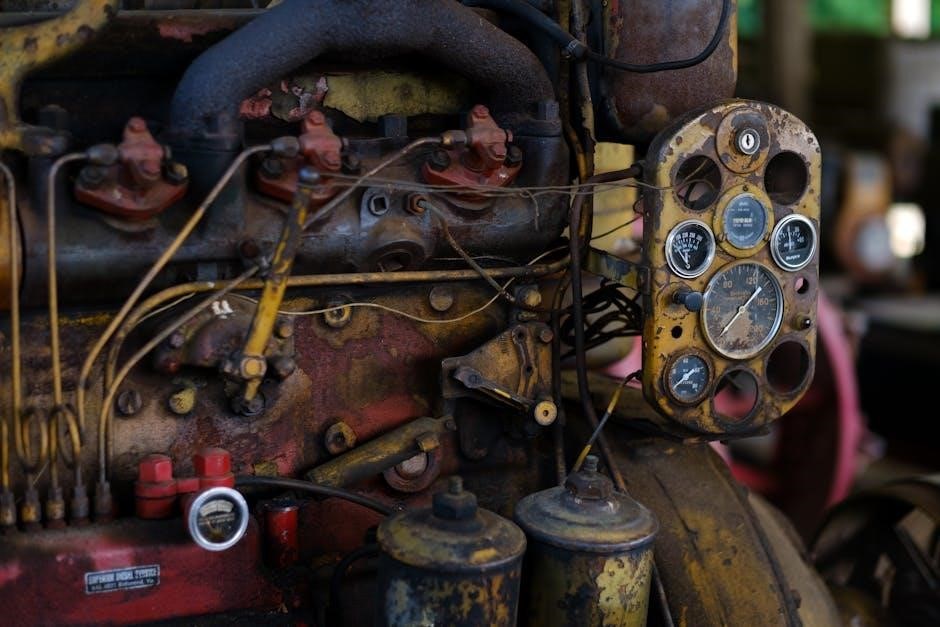
The Briggs & Stratton 190cc engine comprises a precisely engineered block, carburetor, fuel system, and intake/exhaust—detailed in the manual.
Engine Block and Internal Parts

The Briggs & Stratton 190cc engine’s block forms the foundational structure, housing critical internal components. The manual emphasizes the engine’s construction using high-quality materials for durability. Inside, the crankshaft converts reciprocating motion into rotational power, while connecting rods link pistons to the crankshaft.
Pistons move within cylinders, compressing the air-fuel mixture for combustion. The cylinder head seals the cylinders and contains valves controlling the intake of air and fuel, and the exhaust of combustion gases. Precise timing is managed by the camshaft, synchronized with the crankshaft.
Understanding these interconnected parts, as outlined in the manual, is vital for diagnosing issues and performing effective repairs. Proper lubrication, detailed in the manual, is essential for minimizing friction and wear on these internal components.
Carburetor System
The Briggs & Stratton 190cc engine’s carburetor system meticulously mixes air and fuel for optimal combustion, as detailed in the engine manual. This system comprises a float bowl, jets, and throttle valve. The float bowl maintains a consistent fuel level, while jets regulate fuel flow based on engine demand.
The throttle valve controls the amount of air-fuel mixture entering the engine, dictating engine speed. The manual stresses the importance of a clean carburetor for efficient operation; debris can obstruct jets, causing performance issues.
Understanding the carburetor’s function, and following the manual’s cleaning and adjustment procedures, is crucial for resolving starting problems and ensuring smooth engine running. Regular inspection and maintenance are key to preventing fuel-related malfunctions.
Fuel Tank and Fuel Lines
The Briggs & Stratton 190cc engine’s fuel system, as outlined in the manual, begins with the fuel tank, designed to safely store gasoline. Fuel lines, constructed from durable material, transport fuel from the tank to the carburetor. The manual emphasizes using fresh, clean fuel to prevent carburetor clogging and ensure optimal engine performance.
Inspect fuel lines regularly for cracks, leaks, or deterioration, replacing them as needed. A clogged fuel filter, often located within the fuel tank or inline, can restrict fuel flow, causing starting or running issues.
The manual details proper fuel handling procedures, including safe storage and disposal practices. Always shut off the fuel valve when not in use and avoid spills to prevent fire hazards.
Air Intake and Exhaust System
The Briggs & Stratton 190cc engine’s air intake system, detailed in the manual, draws clean air for combustion. This system includes an air filter, crucial for preventing debris from entering the engine. Regular cleaning or replacement of the air filter, as per the manual’s schedule, is vital for maintaining performance.
The exhaust system safely directs combustion gases away from the operator. Inspect the muffler for damage or obstructions, as outlined in the manual; A properly functioning exhaust system reduces noise and emissions.
The manual stresses the importance of never operating the engine in an enclosed space due to the risk of carbon monoxide poisoning. Ensure adequate ventilation when running the engine.
Engine Maintenance
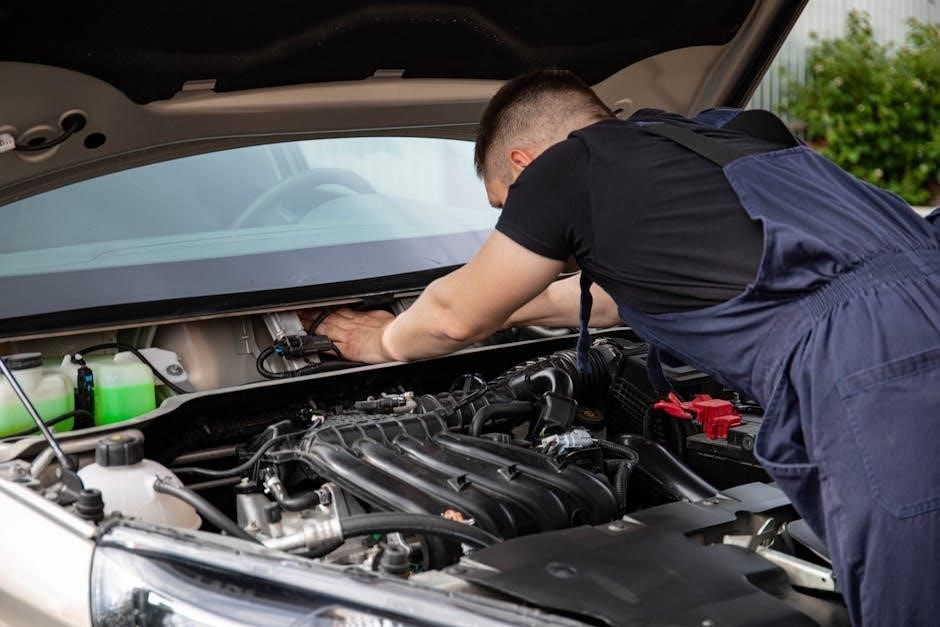
Briggs & Stratton’s 190cc engine manual emphasizes routine maintenance—oil changes, filter cleaning, and spark plug checks—to ensure reliable performance and extend engine life.
Oil Change Procedures
Regular oil changes are vital for the Briggs & Stratton 190cc engine’s longevity, as detailed in the engine manual. Begin with a warm engine, but not hot, for easier draining. Locate the oil drain plug, typically at the engine’s base, and position a suitable container underneath.
Remove the plug, allowing the old oil to drain completely. Replace the plug and tighten securely. Next, remove the oil fill cap and add the recommended oil type and quantity, specified in the manual—typically around 20 ounces.
Use a funnel to avoid spills. Check the oil level with the dipstick, ensuring it falls within the ‘full’ range. Properly dispose of the used oil at a designated recycling center. Consistent oil changes, following the manual’s schedule, will significantly improve engine performance and lifespan.
Air Filter Cleaning and Replacement
Maintaining a clean air filter is crucial for optimal Briggs & Stratton 190cc engine performance, as outlined in the engine manual. Regularly inspect the air filter for dirt and debris. For foam filters, wash gently with warm, soapy water, rinse thoroughly, and allow to dry completely before re-oiling lightly with air filter oil.
Paper filters should be tapped gently to remove loose dirt; avoid using compressed air, which can damage the filter. If the filter is excessively dirty or damaged, it must be replaced.
Refer to the manual for the correct filter part number. Ensure the air filter is properly seated in its housing to prevent unfiltered air from entering the engine. A clean air filter ensures efficient combustion and protects the engine from wear.
Spark Plug Inspection and Replacement
The Briggs & Stratton 190cc engine manual emphasizes regular spark plug inspection for optimal ignition. Remove the spark plug and examine the electrode for wear, fouling, or damage. A properly functioning spark plug is vital for efficient combustion and engine starting.
Clean a lightly fouled plug with a wire brush; however, if the plug is heavily worn, cracked, or exhibits excessive carbon buildup, it should be replaced.
Use the correct spark plug specified in the manual – using the wrong plug can cause engine damage. Ensure the gap is set correctly using a feeler gauge before installation. Tighten the spark plug to the torque specified in the manual to prevent damage to the cylinder head.
Valve Adjustment
The Briggs & Stratton 190cc engine manual details valve adjustment procedures, crucial for maintaining compression and engine performance. Incorrect valve lash can lead to reduced power, overheating, and difficult starting. This process requires specific tools and adherence to the manufacturer’s specifications.
Typically, valve adjustment involves removing the valve cover and using a feeler gauge to measure the clearance between the valve stem and the rocker arm. Adjust the clearance by turning the adjusting screw until the correct gap is achieved.
Consult the manual for the precise valve lash specifications for your specific engine model. Proper valve adjustment ensures optimal engine operation and extends its lifespan.
Troubleshooting Common Issues
The manual aids in diagnosing problems like starting failures, rough running, overheating, and fuel leaks, offering solutions for Briggs & Stratton 190cc engines.
Engine Won’t Start
If your Briggs & Stratton 190cc engine fails to start, consult the manual for systematic troubleshooting. First, verify fuel supply – is the tank full and the fuel shut-off valve open?
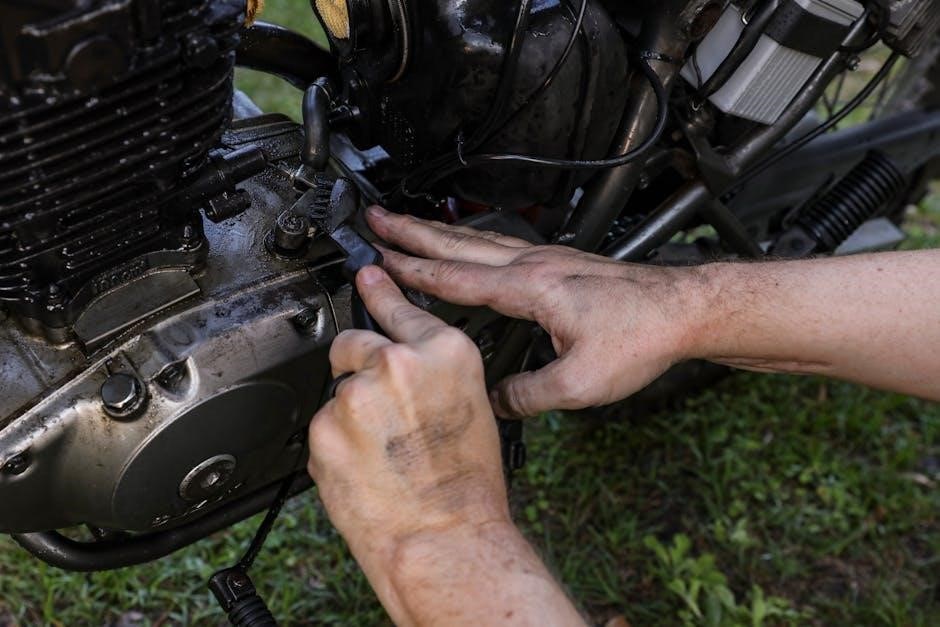
Next, inspect the spark plug; a fouled or damaged plug won’t ignite the fuel-air mixture. Ensure the spark plug wire is securely connected. Check the air filter for obstructions, as a clogged filter restricts airflow.
Confirm the carburetor is receiving fuel and isn’t clogged. The manual details carburetor cleaning procedures. Finally, examine the recoil starter mechanism for proper function. A damaged recoil starter prevents engine cranking. Following the manual’s guidance ensures accurate diagnosis and repair.
Engine Runs Rough
A rough-running Briggs & Stratton 190cc engine often indicates fuel or air delivery issues. Refer to your engine manual for detailed diagnostics. Begin by inspecting the air filter; a dirty filter restricts airflow, causing a rich fuel mixture.
Next, examine the carburetor. A clogged carburetor jet or passage disrupts fuel flow, leading to uneven combustion. The manual provides instructions for carburetor cleaning and adjustment.
Check the spark plug for fouling or damage, as a weak spark results in incomplete combustion. Ensure proper valve clearance, as incorrect valve timing affects engine performance. Following the manual’s steps will help restore smooth operation.
Engine Overheats
If your Briggs & Stratton 190cc engine overheats, immediately stop and consult your engine manual. Insufficient cooling is the primary cause. Check the cooling fins on the engine block; debris blockage restricts airflow.
Low oil levels significantly contribute to overheating, as oil lubricates and cools internal components. Verify the oil level and add oil as needed, referencing the manual for the correct type.
A faulty governor can cause the engine to run at excessively high speeds, generating excessive heat. Inspect the carburetor for improper fuel mixture settings. Always prioritize safety and allow the engine to cool completely before attempting repairs, guided by the manual.
Fuel Leaks
Fuel leaks on your Briggs & Stratton 190cc engine pose a significant fire hazard; address them immediately, consulting your engine manual. Begin by inspecting the fuel tank for cracks or damage. Check fuel lines for deterioration, kinks, or loose connections.
The carburetor is another common leak source. Examine the fuel inlet and outlet connections for tightness and the presence of cracks. A worn or damaged fuel shut-off valve can also cause leaks.
Always replace damaged fuel lines or components with genuine Briggs & Stratton parts, as specified in the manual. Ensure all connections are secure after repair. Never operate the engine with a fuel leak!

Repair Procedures
Briggs & Stratton 190cc engine repairs often require specific tools and adherence to the manual; always prioritize safety and proper part replacement.
Carburetor issues are common with the Briggs & Stratton 190cc engine, often stemming from fuel residue or a clogged jet. The manual emphasizes careful disassembly, noting small parts.
Begin by disconnecting the fuel line, then meticulously remove the carburetor, referencing diagrams for correct component placement. Inspect the float, needle valve, and jets for obstructions; compressed air is often effective for cleaning.
Pay close attention to the manual’s instructions regarding gasket replacement – a new gasket is crucial for preventing fuel leaks. Reassemble the carburetor precisely, ensuring all screws are tightened to the specified torque. Incorrect reassembly can lead to poor engine performance or failure to start.
Starter Repair
A malfunctioning starter prevents engine ignition. The Briggs & Stratton 190cc engine manual details starter component inspection, focusing on the solenoid and drive gear. Begin by disconnecting the spark plug wire for safety.
Test the solenoid using a multimeter to confirm proper electrical function. If the solenoid fails, replacement is necessary. Inspect the drive gear for worn or broken teeth; damage requires gear replacement.
Lubricate moving parts with a light oil. The manual stresses careful reassembly, ensuring proper alignment of the starter with the flywheel. Incorrect alignment can cause grinding noises or prevent engagement. Always refer to the parts diagram during reassembly.
Governor Repair
The governor maintains consistent engine speed under varying loads. The Briggs & Stratton 190cc engine manual highlights governor linkage inspection as a primary repair step. Check for loose or damaged connections, and ensure free movement of the throttle and governor arms.
A sticking governor can cause surging or unstable engine operation. Clean the governor spindle and surrounding area, lubricating with a light oil. If the governor spring is weak or broken, replacement is essential.
The manual emphasizes precise adjustment of the governor linkage according to specified procedures. Improper adjustment impacts engine performance and can lead to damage. Refer to the diagrams for correct linkage positioning.
Recoil Starter Assembly
The Briggs & Stratton 190cc engine manual details the recoil starter assembly for easy engine starting. Disassembly requires careful attention, noting the position of the pawls, spring, and pulley. Ensure the recoil starter housing is free from debris before reassembly.
If the recoil starter fails to engage, inspect the pawls for wear or damage. Replace worn pawls to restore proper function. Lubricate the recoil starter shaft and spring with a light oil to ensure smooth operation.
The manual stresses proper tension on the recoil starter spring. Insufficient tension results in weak starting, while excessive tension can cause damage. Refer to the parts diagram for correct spring placement and routing.

Parts Diagrams and Manuals
Briggs & Stratton provides detailed parts diagrams and repair manuals, essential for identifying components and performing accurate repairs on your 190cc engine.
Locating Parts Diagrams
Locating accurate parts diagrams for your Briggs & Stratton 190cc engine is vital for successful repairs and maintenance. These diagrams illustrate exploded views of the engine, clearly identifying each component and its corresponding part number.
Begin your search on the official Briggs & Stratton website; they offer a robust parts lookup tool. You’ll typically need your engine’s model number, found on the engine’s label, to access the correct diagram. Alternatively, authorized Briggs & Stratton dealers can provide physical copies or direct you to online resources.
Several third-party websites also host parts diagrams, but verify their accuracy against the official Briggs & Stratton documentation. The manual itself often includes basic diagrams, while more detailed versions are available online. Remember to use the correct model number to ensure compatibility.
Understanding the Repair Manual
The Briggs & Stratton 190cc engine repair manual is your comprehensive guide to diagnosing and resolving engine issues. It’s structured to provide step-by-step instructions, accompanied by detailed illustrations and parts lists. Familiarize yourself with the manual’s organization, including safety warnings and torque specifications.
Pay close attention to the introductory sections, which outline essential tools and techniques. The manual typically categorizes repairs by system – carburetor, ignition, governor, etc. – allowing you to quickly locate relevant information.

Understanding the terminology and symbols used is crucial. The manual often references specific parts numbers; cross-reference these with the parts diagrams for accurate identification. Always follow the manual’s instructions precisely to avoid damaging the engine or causing injury.
Accessing Online Resources
Beyond the physical manual, Briggs & Stratton offers a wealth of online resources for the 190cc engine. Their official website provides access to digital manuals, parts diagrams, and troubleshooting guides. Many independent online forums and communities dedicated to small engine repair also offer valuable support.
YouTube channels frequently feature videos demonstrating repair procedures for Briggs & Stratton engines, offering a visual learning aid. Online parts retailers often host exploded views and parts lists, complementing the manual’s diagrams.
However, exercise caution when using unofficial sources; verify information against the official manual. Always prioritize safety and consult a qualified technician if you’re unsure about any repair procedure.

Specific Model Variations
Briggs & Stratton 190cc engines have model-specific details; identifying your exact model via the engine code is vital for the correct manual.
Identifying Your 190cc Engine Model
Accurately identifying your specific Briggs & Stratton 190cc engine model is the first step towards successful maintenance and repair. The engine’s model, type, and code numbers are crucial for obtaining the correct parts and manuals.
These identifying numbers are typically found on the engine’s valve cover or blower housing. Look for a sticker or stamped markings containing a series of letters and numbers; This information is essential when locating parts diagrams or accessing online resources.
Referencing the engine’s manual, or Briggs & Stratton’s website, with these numbers will ensure you’re working with the correct documentation for your particular engine variation. Using the wrong manual could lead to incorrect procedures and potential damage.
Differences Between Models
While sharing a 190cc displacement, Briggs & Stratton 190cc engines exhibit variations based on application and manufacturing date. These differences impact parts compatibility and maintenance procedures, highlighting the need for the correct manual.
Variations can include differing carburetor configurations, governor types, and even slight alterations to the engine block. Some models may feature specific features tailored to the equipment they power, like pressure washing or lawnmowers.
Always confirm your engine’s specific model number before ordering parts or performing repairs. The manual details these nuances, ensuring you use the appropriate components and follow the correct procedures. Ignoring these distinctions can lead to improper function or damage.