Bauer Skate Fit Guide: A Comprehensive Overview
Navigating the world of hockey skates requires understanding fit‚ as optimal performance and comfort hinge on selecting the right size and model.
This guide delves into Bauer skate fitting‚
covering everything from foot measurement to customization techniques‚ ensuring a superior on-ice experience for players of all levels.
Understanding Hockey Skate Fit
Achieving a proper hockey skate fit is far more nuanced than simply selecting your shoe size. It’s a complex interplay between length‚ width‚ volume‚ and the unique anatomy of your foot. A well-fitted skate provides optimal performance‚ maximizes energy transfer‚ and crucially‚ prevents discomfort and potential injuries.
Unlike everyday footwear‚ hockey skates are designed to be snug – almost conforming to the shape of your foot. There should be minimal heel lift‚ and your toes should feel protected but not cramped. Understanding that skate fit differs significantly between brands and even models within a brand (like Bauer) is paramount. Each model caters to different foot shapes and playing styles.
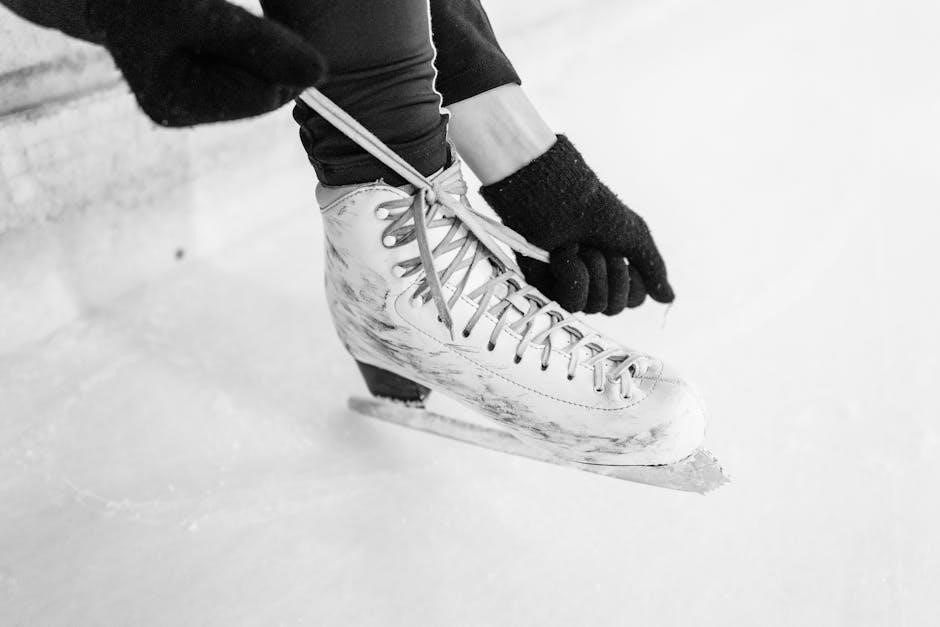
Factors like arch height‚ instep volume‚ and the presence of bunions or other foot conditions all influence the ideal fit. Ignoring these individual characteristics can lead to blisters‚ numbness‚ or even long-term foot problems. A truly dialed-in fit enhances agility‚ responsiveness‚ and overall enjoyment on the ice‚ allowing you to focus on your game‚ not your feet.
Why Proper Fit Matters
A poorly fitted hockey skate dramatically impacts performance and can lead to a cascade of issues. Ill-fitting skates hinder your ability to skate efficiently‚ reducing power‚ agility‚ and overall speed. Energy is wasted compensating for movement within the boot‚ rather than being transferred to the ice.
Beyond performance‚ improper fit is a major source of discomfort. Blisters‚ hot spots‚ and toe pain are common complaints‚ distracting you from the game and potentially forcing you off the ice. More seriously‚ a bad fit can cause nerve compression‚ leading to numbness or even long-term foot damage.
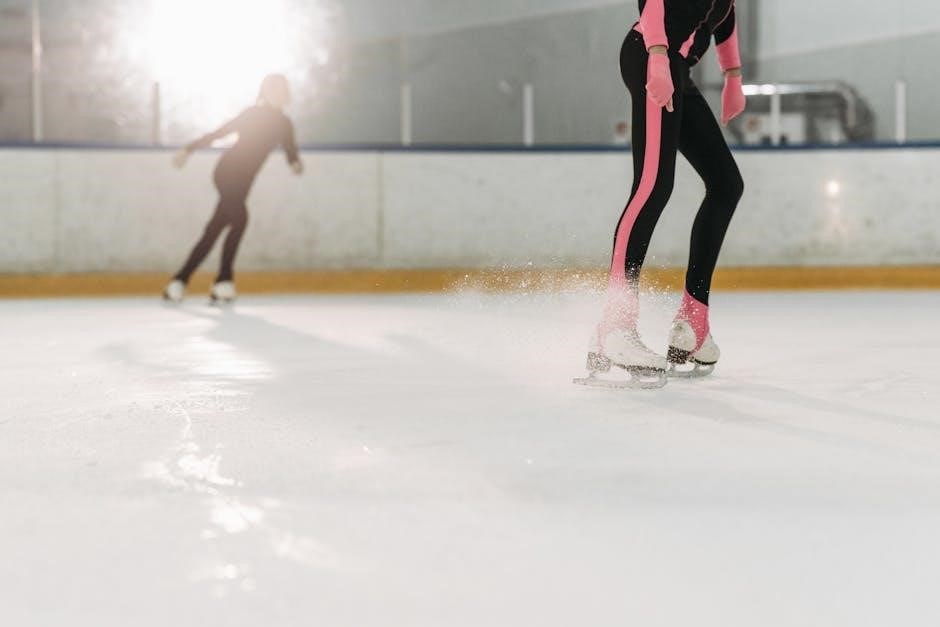
Furthermore‚ a secure fit enhances control and responsiveness. When your foot is locked in place‚ you have greater command over your edges‚ allowing for quicker turns and more precise movements; Investing time in achieving the correct fit isn’t just about comfort; it’s about maximizing your potential‚ preventing injury‚ and enjoying the sport to the fullest. Prioritizing fit is paramount for all skill levels.
Bauer Skate Models & Fit Profiles
Bauer offers a diverse range of skate models‚ each designed with a specific fit profile to cater to different foot shapes and player preferences. Understanding these profiles is crucial for selecting the right skate.
Generally‚ Bauer categorizes its skates into lines like Vapor‚ Supreme‚ and Nexus. Vapor skates are known for a tapered fit‚ hugging the foot closely and prioritizing quickness and agility – ideal for players with narrower feet. Supreme skates offer a more anatomical fit‚ providing a balanced combination of comfort and performance‚ suitable for medium-width feet.
Nexus skates feature a wider‚ more generous fit‚ maximizing comfort and accommodating players with wider feet. Within each line‚ further variations exist‚ with different levels of stiffness and features. Newer models often incorporate technologies like 3D-scanned lasts for improved anatomical accuracy. It’s essential to research specific model characteristics and consider your foot’s unique shape when making a selection. Trying on multiple models is highly recommended.
Foot Measurement: The Foundation of Fit
Accurate foot measurement is the cornerstone of achieving a proper skate fit. It’s significantly more complex than simply knowing your shoe size‚ as skate sizing differs and foot shape varies greatly. Begin by measuring both feet‚ as discrepancies are common; always use the larger measurement.
Utilize a Brannock device‚ commonly found in shoe stores‚ for the most precise length and width measurements. Measure your foot while wearing the socks you intend to wear with your skates. Trace your foot on a piece of paper as a backup method‚ measuring the length from heel to longest toe and the width at the widest point.
Consider that feet swell during activity‚ so allow for some extra room. Don’t rely solely on converting between sizing systems (US‚ UK‚ EU) as variations exist between manufacturers. Understanding your foot’s length and width in millimeters is often the most reliable approach when referencing Bauer’s sizing charts. A professional skate fitting can provide an expert assessment of your foot’s dimensions and shape.
Using the Bauer Foot Sizing Chart
Bauer provides detailed foot sizing charts‚ crucial for translating your foot measurements into the correct skate size. These charts typically correlate foot length (in inches or centimeters) with corresponding skate sizes for each model line. However‚ remember these are starting points‚ not definitive answers.
Locate the most current Bauer sizing chart for the specific skate model you’re considering‚ as sizing can vary between series (e.g.‚ Vapor‚ Supreme‚ Nexus). Pay close attention to width indicators alongside length. The chart will guide you towards a preliminary size based on your foot’s measurements.
Always cross-reference the chart with model-specific fit information. Some models run narrower or wider than others. Consider your skill level; beginners may benefit from a slightly more generous fit‚ while experienced players often prefer a snugger‚ performance-oriented fit. Professional fitting services can refine this process‚ accounting for individual foot shape and skating style. Don’t hesitate to try on multiple sizes to find the best match.
Width Considerations: Narrow‚ Regular‚ Wide
Foot width is as critical as length when selecting Bauer skates. Bauer caters to various foot widths with designated options: Narrow (N)‚ Regular (R)‚ and Wide (W). Ignoring width can lead to discomfort‚ blisters‚ and reduced performance;
Regular width (R) accommodates most skaters. However‚ if you experience pressure points on the sides of your feet‚ or your foot feels cramped even with the correct length‚ explore other widths. Narrow feet benefit from the ‘N’ width‚ providing a secure‚ locked-in feel without excessive pressure.
Conversely‚ wide feet require the ‘W’ width to prevent pinching and ensure adequate circulation. Symptoms of incorrect width include numbness‚ tingling‚ or visible indentations on your feet after skating. Some Bauer models offer heat-moldable features that can slightly adjust width‚ but starting with the correct width is paramount. Consider professional fitting to accurately assess your foot’s width and recommend the appropriate skate.
Heat Molding: Customizing Your Fit
Heat molding is a crucial step in achieving a truly personalized Bauer skate fit. Many Bauer models feature heat-moldable materials in the boot‚ primarily in the quarter panels‚ allowing them to conform to the unique shape of your feet. This process significantly enhances comfort and performance.
Professional heat molding‚ performed by a qualified skate technician‚ is highly recommended. They utilize specialized ovens to evenly heat the skate boot‚ then you wear the skates with specific socks while they cool and mold to your foot. Avoid attempting this at home with household ovens‚ as uneven heating can damage the skate.
The molding process typically takes 10-15 minutes. After molding‚ wear the skates for shorter periods initially to allow your feet to fully adjust. Subsequent skating sessions will further refine the fit. Heat molding doesn’t alter the skate’s size‚ but it customizes the shape‚ providing a snug‚ supportive‚ and comfortable fit that minimizes pressure points and maximizes energy transfer.
Ankle Padding & Support
Adequate ankle padding and support are paramount in Bauer skate fit‚ directly impacting stability‚ injury prevention‚ and overall performance. Bauer employs varying levels of padding and support across its skate models‚ catering to different player types and skill levels.
Higher-end Bauer skates generally feature more robust ankle padding‚ often utilizing multi-density foams and reinforced constructions. This provides superior protection against impacts and reduces unwanted ankle movement. Conversely‚ entry-level models may have less padding‚ prioritizing flexibility and affordability.
Proper fit is crucial; too much space in the ankle area leads to instability‚ while insufficient space causes discomfort and restricts movement. When assessing fit‚ flex your ankles forward and backward – you should feel secure support without excessive pressure. Consider aftermarket ankle supports or padding if the stock fit doesn’t provide adequate stability. Bauer designs prioritize a locked-in feel‚ enhancing power transfer and responsiveness on the ice.
Tongue Selection: Thickness & Features
The skate tongue‚ often overlooked‚ plays a vital role in comfort‚ protection‚ and fit within Bauer skates. Bauer offers various tongue options‚ differing in thickness‚ materials‚ and features‚ allowing skaters to customize their experience.
Thicker tongues‚ commonly found in higher-end models‚ provide greater shin protection and a more customized fit. They distribute pressure more evenly‚ reducing discomfort and minimizing shin bite. However‚ they can sometimes restrict ankle flexibility. Thinner tongues prioritize flexibility and responsiveness‚ ideal for players who prioritize agility.
Bauer’s tri-tech tongue features a three-piece design with varying densities of foam‚ offering a balance of protection and flexibility. Some tongues incorporate metatarsal guards for added protection against puck impacts. Consider your playing style and shin anatomy when selecting a tongue. A properly fitted tongue should conform to your shin without creating pressure points‚ ensuring a comfortable and secure feel throughout the game. Experimentation may be needed to find the optimal tongue for your individual needs.
Blade Holders & Steel
The blade holder and steel are critical components influencing a skater’s performance‚ impacting edge control‚ agility‚ and overall feel on the ice. Bauer offers a range of blade holders‚ each designed with specific features to cater to different playing styles and skill levels.
Tuuk holders are a popular choice‚ known for their durability and customizable options. Bauer’s Speed Plate holders enhance energy transfer and responsiveness. The steel itself‚ often made of high-carbon steel alloys‚ determines edge retention and sharpness. Different steel grades offer varying levels of performance.
Radius‚ the curvature of the blade‚ significantly affects turning and maneuverability. A tighter radius provides quicker turns‚ while a longer radius offers stability at higher speeds. Regularly sharpening your steel is crucial for maintaining optimal performance. Consider your skating style and preferences when selecting a blade holder and steel combination. A professional skate technician can assist in choosing the right setup and ensuring proper installation and maintenance for a superior on-ice experience.
Common Fit Issues & Solutions
Several common fit issues can arise when selecting hockey skates‚ impacting comfort and performance. Heel lift‚ where the heel slides up during skating‚ reduces power transfer and can cause blisters. This can often be resolved with heel locks or thicker socks.
Toe pain and numbness‚ frequently caused by skates being too short or narrow‚ require addressing immediately. Consider heat molding or exploring wider models. Another issue is ankle rub‚ resulting from insufficient ankle padding. Upgrading ankle padding or using thicker socks can alleviate this.
Pressure points‚ often felt on the top of the foot‚ may indicate a need for a higher volume skate or tongue adjustment. Proper lacing is crucial; avoid over-tightening the top eyelets. If issues persist‚ consult a professional skate fitter. They can diagnose the problem accurately and recommend tailored solutions‚ including custom footbeds or heat molding‚ ensuring a comfortable and efficient skating experience. Ignoring these issues can lead to long-term foot problems.
Dealing with Toe Pain & Numbness
Toe pain and numbness in hockey skates are frequent complaints‚ often stemming from insufficient toe box space or excessive pressure. The first step is to verify skate length; toes should just touch the end when standing‚ not be cramped. If skates are correctly sized but pain persists‚ consider width – a narrow skate exacerbates toe compression.
Heat molding can create valuable space‚ conforming the skate to your foot’s shape. Experiment with different lacing techniques; loosening the top eyelets can relieve pressure. Thin or thick socks can also influence fit‚ so find the right balance.
If numbness occurs‚ immediately address it to prevent nerve damage. Avoid “skating through” the pain. Custom footbeds can provide better support and redistribute pressure. If these measures fail‚ a professional skate fitting is essential. They can assess your foot biomechanics and recommend a skate model with a more accommodating toe box‚ ensuring a comfortable and pain-free skating experience. Ignoring these symptoms can lead to chronic issues.
Identifying High Arches & Flat Feet
Understanding your arch type is crucial for optimal skate fit. High arches exhibit minimal contact with the ground‚ requiring skates with ample cushioning and support to absorb impact. Individuals with high arches often benefit from a more flexible skate boot to accommodate the foot’s natural shape. Look for models with generous padding in the heel and forefoot.
Flat feet‚ conversely‚ have a low or collapsed arch‚ leading to overpronation – inward rolling of the foot. This necessitates skates offering robust arch support and stability to prevent fatigue and injury. Stiffer boot constructions and supportive footbeds are essential.
A simple wet test can help identify your arch type: wet your foot and step onto a dark surface. A full footprint suggests flat feet‚ while a narrow connection between heel and forefoot indicates high arches. Professional skate fitters can perform a more detailed assessment. Addressing arch type ensures proper alignment and maximizes performance‚ minimizing discomfort and potential long-term issues.
Insoles & Footbeds for Enhanced Comfort
Stock insoles in hockey skates often provide minimal support and cushioning. Upgrading to aftermarket insoles or footbeds is a highly recommended step towards a customized and comfortable fit. These enhancements address various foot issues‚ improving overall skate performance and reducing fatigue.
Custom footbeds‚ molded to the unique contours of your feet‚ offer superior arch support‚ heel lock‚ and alignment. They distribute pressure evenly‚ minimizing hot spots and blisters. Over-the-counter insoles provide a more affordable option‚ offering varying levels of support and cushioning.
Consider your arch type when selecting insoles. High-arch individuals benefit from cushioned insoles‚ while those with flat feet require firmer support. Gel inserts can further enhance shock absorption. Properly fitted insoles improve energy transfer‚ enhance stability‚ and contribute to a more responsive skating experience. Don’t underestimate their impact on comfort and performance – they’re a small investment with significant returns.
Professional Skate Fitting Services
Investing in a professional skate fitting is arguably the most crucial step in achieving optimal comfort and performance. Experienced skate fitters possess the knowledge and tools to accurately assess your feet‚ considering length‚ width‚ volume‚ and unique anatomical features.
A comprehensive fitting goes beyond simply measuring your feet. Fitters utilize specialized devices to analyze arch height‚ pressure points‚ and gait. They’ll recommend appropriate Bauer skate models based on your foot shape and skill level‚ ensuring a proper initial fit.
Professional services include heat molding‚ which customizes the skate’s shape to your foot‚ and adjustments to ankle padding and tongue selection. They can also advise on the best insoles and footbeds for your specific needs. While potentially more expensive upfront‚ a professional fitting minimizes the risk of discomfort‚ blisters‚ and performance limitations‚ ultimately saving you time and money in the long run. Don’t hesitate to seek expert guidance for a truly personalized skate fit.
Bauer Skate Fit for Different Skill Levels
Bauer skate fit requirements evolve with a player’s skill level and intensity of play. Beginners often benefit from a more forgiving‚ comfortable fit prioritizing cushioning and ease of movement. Softer boot materials and a higher cut provide ample support and protection.
Intermediate players typically require a skate offering a balance of comfort and performance. A slightly stiffer boot enhances energy transfer and responsiveness‚ while maintaining adequate ankle support. Focus shifts towards a more anatomical fit‚ minimizing internal volume.
Elite and professional players demand maximum performance‚ necessitating a highly customized‚ performance-oriented fit. Stiffer boots deliver exceptional energy transfer and agility‚ while a precise‚ locked-in feel minimizes energy loss. Heat molding and professional adjustments are essential to achieve this level of fit. Understanding your skill level is paramount when selecting a Bauer skate‚ ensuring it complements your playing style and maximizes your potential on the ice.
Maintaining Your Skate Fit Over Time
Bauer skate fit isn’t a one-time adjustment; consistent maintenance is crucial for preserving optimal performance and comfort. Over time‚ skate materials conform to the foot‚ and padding compresses‚ potentially altering the initial fit. Regular inspection for wear and tear is essential.
Heat molding can be repeated to re-establish a customized fit as the skate breaks down. Consider replacing insoles annually‚ as they lose cushioning and support. Proper drying after each use prevents bacterial growth and material degradation. Avoid prolonged exposure to extreme temperatures.
Professional sharpening impacts fit by altering the blade’s angle and potentially affecting balance. If you notice changes in feel or discomfort‚ consult a qualified skate technician. Addressing minor fit issues promptly prevents them from escalating into larger problems. Consistent care extends the lifespan of your Bauer skates and ensures a consistently comfortable and high-performing experience on the ice.