Sous Vide Temperature Chart PDF Overview
Explore a downloadable PDF that consolidates sous‑vide temperature ranges, timing tables, and safety guidelines. The chart offers quick reference for meats, poultry, fish, and eggs, ensuring precise, consistent results.!!
Downloadable PDF Resources
Find a variety of PDF files that provide comprehensive sous‑vide temperature charts, timing tables, and safety guidelines. Many culinary sites offer free downloads, such as the official Sous Vide Professional guide, which includes a full temperature reference for beef, lamb, pork, poultry, fish, seafood, eggs, and dairy. The PDFs are formatted for easy printing, with clear tables and color‑coded sections that help chefs quickly locate the ideal temperature for each cut. Some resources also include printable worksheets for tracking batch cooking times and a quick‑reference cheat sheet for common food categories. Users can download the PDF directly from the site, save it to a mobile device, or print it for kitchen use. The charts are regularly updated to reflect the latest USDA and FDA safety recommendations, ensuring that every cook has the most accurate information at hand. Whether you are a home cook or a professional chef, these PDFs provide a reliable reference that simplifies sous‑vide preparation and guarantees consistent, safe results. Download now and elevate your sous‑vide craft.!
Print‑Ready Chart Formats
Print‑ready formats are designed for quick, professional use in any kitchen. Many downloadable PDFs feature large, high‑resolution tables that can be printed on standard 8.5×11 paper or A4 sheets. The charts are laid out with clear headers, color‑coded temperature zones, and bolded safety thresholds, making it easy to spot the correct range for beef, lamb, pork, poultry, fish, seafood, eggs, and dairy. Some versions include a detachable “quick‑reference” strip that can be clipped to a pot or a wall, while others offer a “dual‑side” layout that shows both temperature and time on opposite sides of the page. These formats are compatible with most printers, support double‑sided printing, and can be scaled without loss of legibility. They also come with a printable “cheat sheet” that summarizes the most common cuts and their ideal sous‑vide settings, allowing chefs to save time and reduce errors. Whether you need a single sheet for a small home kitchen or a full‑size poster for a commercial kitchen, the print‑ready PDFs provide a reliable, durable resource that meets professional standards. Add this chart to your kitchen now
Mobile App Integration with PDF Charts
Modern sous‑vide enthusiasts now pair PDF charts with mobile apps for real‑time guidance. Many kitchen‑tech platforms let users import the PDF directly, converting the static table into an interactive interface. Once loaded, the app highlights the selected cut, automatically sets the timer, and displays the recommended temperature range in a color‑coded bar. Some apps even offer a QR‑code scanner that pulls the exact data from the PDF, syncing it with your device’s clock for precise start times. Users can toggle between “cook” and “hold” modes, and the app will send a notification when the target temperature is reached, eliminating the need to constantly check the water bath. Integration also supports voice commands, allowing chefs to adjust settings hands‑free while cooking. The PDF’s high‑resolution format ensures that even on small screens the table remains legible, and the app’s export feature lets you share the chart via email or cloud storage for team collaboration. This synergy between PDF charts and mobile technology streamlines workflow, boosts safety, and keeps every sous‑vide session on schedule. Enjoy precision.
Temperature Ranges by Food Category
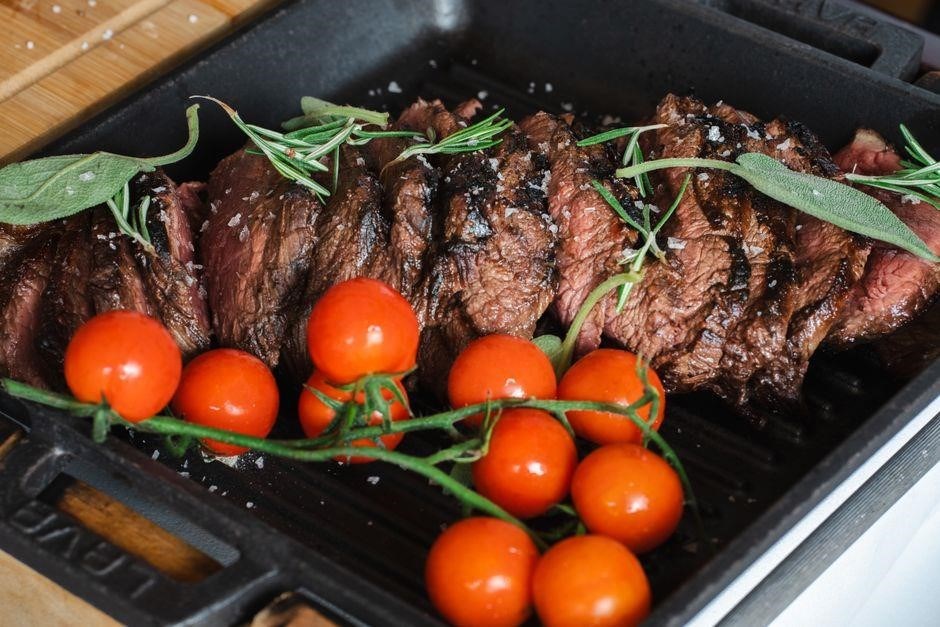
Use the PDF to find precise ranges: Beef 129–140°F, Lamb 135–145°F, Pork 140–150°F, Chicken 140–150°F, Turkey 140–150°F, Fish 120–130°F, Eggs 140–150°F. Adjust for thickness and safety. Keep chart handy for quick checks.!!
Red Meats (Beef, Lamb, Pork)
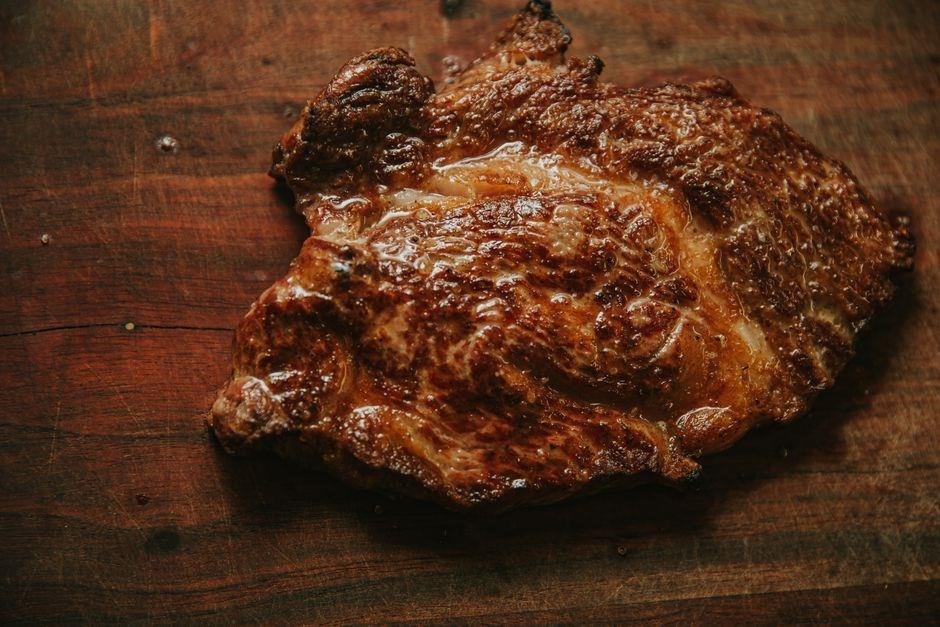
According to the PDF, beef should be cooked between 129°F and 140°F for medium‑rare to medium, with 2‑3 hours for a 1‑inch steak. Lamb chops are best at 135°F–145°F, 1.5‑2.5 hours for 1‑inch thickness. Pork loin and tenderloin reach optimal texture at 140°F–150°F, 2‑3 hours for 1‑inch cuts. For thicker cuts, add 30‑60 minutes per additional inch. The chart also notes that holding temperatures above 165°F can cause toughness, while below 125°F may not achieve safe bacterial reduction. Adjust times for vacuum‑sealed versus bagged portions, and always use a calibrated thermometer to verify internal temperature before serving. The PDF’s visual layout includes color‑coded cells and safety thresholds, making it easy to reference during long‑time, low‑temperature cooking sessions. Additionalnotes:for beef ribeye or sirloin, a 1‑inch thickness benefits from 129°F–135°F for a tender center, while a 2‑inch cut may require 2.5‑3 hours Lamb shank is ideal at 145°F–150°F, 3‑4 hours for 1‑inch thickness. Pork shoulder, when cooked sous‑vide, should reach 150°F–155°F for pull‑apart texture, 4‑5 hours for 1‑inch pieces.Consistent results
Poultry (Chicken, Turkey)
For chicken breast, the PDF recommends 140°F–145°F, 1.5–2.5 hours for a 1‑inch thickness. Turkey breast should be cooked at 145°F–150°F, 2–3 hours for 1‑inch pieces. Whole chicken can be vacuum‑sealed and cooked at 165°F for 4–6 hours, ensuring a moist, tender result. The chart indicates that poultry must reach at least 165°F to eliminate Salmonella. For thighs and drumsticks, 150°F–155°F for 2–4 hours yields a juicy, fall‑apart texture. The PDF also includes a safety table: 140°F for 4.5 hours, 145°F for 3.5 hours, and 150°F for 2.5 hours are acceptable for poultry, provided the final internal temperature is verified. The layout uses color‑coded cells to highlight the recommended ranges and a quick‑reference legend for time increments. This format helps chefs avoid over‑cooking while maintaining food safety. Consistency is key, so always double‑check the bag seal and temperature probe placement before sealing the bag. The PDF’s downloadable version can be printed or viewed on mobile for reference!!
Fish & Seafood
The PDF outlines precise sous‑vide ranges for delicate proteins. Salmon fillets should be sealed at 120°F–125°F for 30–45 minutes, yielding silky texture and bright pink center. Shrimp and scallops are best at 120°F for 15–20 minutes, ensuring translucent flesh without rubbery bite. Tuna steaks require 130°F–135°F for 1–2 hours, producing rare, buttery interior. Lobster tails benefit from 140°F for 45 minutes, maintaining firm yet tender meat. Shellfish such as mussels and clams are cooked at 140°F for 30 minutes, allowing shells to open fully. The chart also lists safety thresholds: any fish at 140°F for 30 minutes meets FDA guidelines for pathogen reduction. Color‑coded cells indicate recommended temperatures, while a quick‑reference legend explains time increments for various thicknesses. This format helps chefs avoid over‑cooking while preserving flavor and texture. The PDF is downloadable for print or mobile use, ensuring reliable reference during preparation. For optimal safety, always verify the internal temperature with a probe before serving. and keep the bag sealed to prevent contamination!.
Eggs & Dairy
The PDF presents a concise table for eggs and dairy, specifying safe temperatures and ideal textures. For whole eggs, a 145°F bath for 45 minutes produces a custard‑like yolk with a firm white, while 155°F for 30 minutes yields a silky, fully set yolk suitable for poached eggs. Egg whites alone can be cooked at 140°F for 20 minutes, achieving a translucent, mousse‑like consistency prized in modernist cuisine. For custards and sauces, 170°F for 1 hour ensures a smooth, stable emulsion without curdling. The chart also lists dairy products: milk and cream should be held at 140°F for 30 minutes to pasteurize while preserving flavor; cheese paste can be gently heated at 140°F for 15 minutes to soften without melting. Safety notes remind users that any egg product at 140°F for 30 minutes meets FDA pathogen reduction guidelines. The PDF’s color‑coded cells allow quick reference, and a legend explains the time increments for different thicknesses or volumes. This resource is ideal for chefs seeking precise control over delicate proteins and dairy textures. The PDF also lists pasteurization times for milk and cream, ensuring compliance with safety standards at various volumes!!
Cooking Time Guidelines
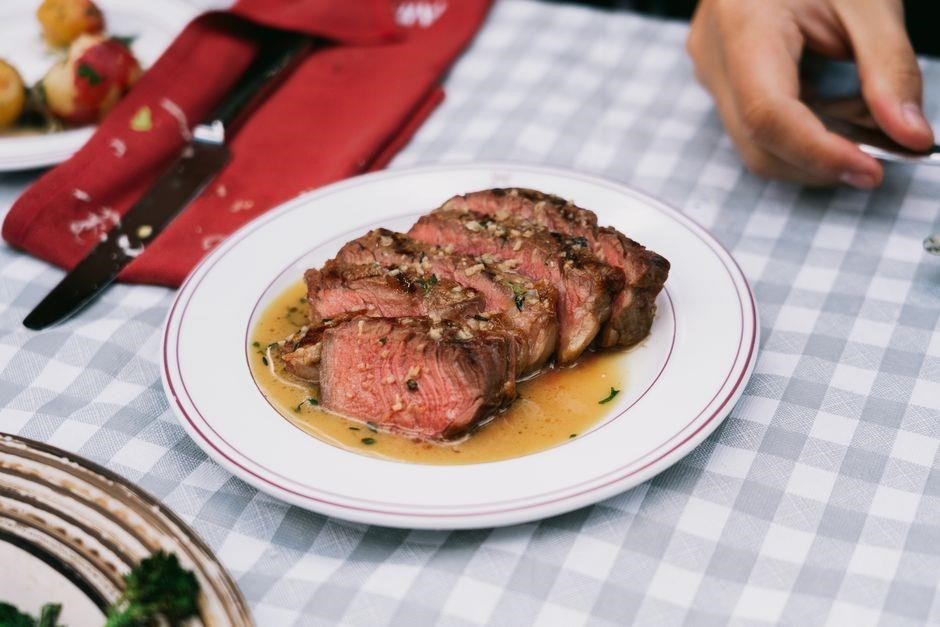
Thickness‑based timing tables show minutes per inch for meats, poultry, fish, and eggs; Safety combos list max times at each temp, ensuring pathogen kill while preserving texture. Use the chart for precise prep. all sizes.!
Thickness‑Based Timing Tables
Thickness‑based timing tables translate a piece’s width into precise cooking durations, allowing sous‑vide chefs to predict texture and safety with confidence. For beef, a 1‑inch steak at 130 °F requires 1 h 30 min, while a 2‑inch cut extends to 3 h 30 min; lamb and pork follow similar linear increments. Poultry benefits from shorter windows: a 1‑inch chicken breast at 140 °F cooks in 45 min, 2‑inch breasts need 1 h 30 min. Fish and shellfish, being delicate, have tighter ranges—1‑inch salmon at 122 °F takes 45 min, 2‑inch fillets 1 h 15 min. Eggs, measured by volume, use 1‑inch equivalents: a 1‑inch whole egg at 167 °F stays 45 min; larger eggs or yolk‑heavy preparations may push to 1 h. These tables also flag safety thresholds: any duration exceeding the USDA‑approved limits for a given temperature must be avoided. By aligning thickness with time, the chart eliminates guesswork, ensuring consistent doneness while maintaining food‑safe temperatures. The PDF also offers conversion tools for metric units, enabling global users to apply the same logic regardless of measurement preference. Users can also annotate the PDF with personal notes, marking ideal doneness levels for each cut, which streamlines future cooking sessions and reduces waste. The design is printer‑friendly, ensuring no loss of detail when printed on standard A4 paper. All data is sourced from USDA guidelines. Accuracy is ✔✔✔! This resource is ideal for chefs, hobbyists, and culinary students seeking a reliable reference that balances precision with practicality, making sous‑vide cooking accessible and safe for.
Safety Time‑Temperature Combinations
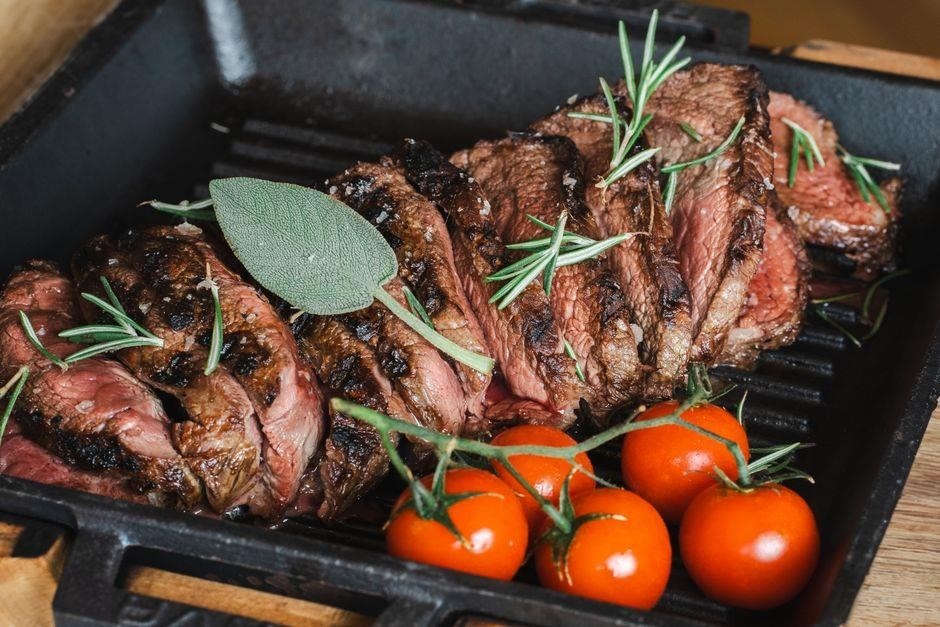
Food safety in sous‑vide hinges on meeting USDA‑approved time‑temperature thresholds that eliminate pathogens while preserving texture. The chart lists minimum holding times for each temperature band: 130 °F (54 °C) requires 2 h 30 min for beef, 1 h 30 min for poultry; 140 °F (60 °C) needs 1 h 30 min for pork and 1 h for fish; 150 °F (66 °C) demands 1 h for poultry and 30 min for shellfish; 160 °F (71 °C) is safe after 30 min for all proteins. Eggs must stay at 167 °F (75 °C) for 45 min to ensure yolk coagulation and pathogen kill. The PDF also warns against “time‑temperature abuse”: any cooking below 130 °F or below 2 h at 130 °F increases risk. For thawed meats, a 30 min pre‑cooling period is recommended to avoid the “danger zone” (140–160 °F). The guide includes a quick‑reference table, color‑coded for easy visual scanning, and a printable safety checklist. Users can annotate the PDF with batch numbers and expiration dates, ensuring traceability. By following these combinations, chefs guarantee that every sous‑vide dish meets federal safety standards while achieving the desired culinary quality. This guide is updated annually 2026.
Using the PDF Chart Effectively
Use the PDF chart by aligning your sous‑vide setup with the printed grid. Mark the desired temperature, then adjust time per thickness. Keep a log of batch numbers and reheating notes for consistency. Use a timer and log.
Interpreting Temperature Symbols
The PDF chart uses concise icons to convey critical cooking parameters. A circle indicates the target internal temperature, while a square denotes the recommended holding temperature after cooking. A triangle marks the minimum safe temperature for pathogen reduction, and a diamond signals a suggested reheating threshold;
- Circle: Final internal temperature (e.g., 140°F for medium‑rare beef).
- Square: Holding temperature to maintain juiciness (e.g., 145°F for poultry).
- Triangle: Minimum safe temperature for pathogen reduction (e.g., 165°F).
- Diamond: Reheat to 165°F to ensure safety before serving.
If the circle temperature is below the triangle, the food may taste fine but could harbor pathogens. Adjust the time or raise the temperature to meet the triangle’s threshold. For high‑fat items, the square may be higher to preserve juiciness. Always record the symbol set used for each recipe to streamline future prep. Add notes!!
Adjusting for Equipment Variability
Because sous‑vide devices differ in heating accuracy, power, and circulation, the PDF chart’s base times may need fine‑tuning. Start by measuring your cooker’s actual temperature with a calibrated probe; most units have a ±1°F variance. If your appliance runs cooler, add 10–15 minutes per inch of thickness; if hotter, reduce time by a similar margin. For immersion circulators with a 3‑inch head, the heat transfer coefficient is higher, so the chart’s “standard” time can be shortened by 5–10%. When using a larger pot, the water’s thermal mass increases, delaying temperature stabilization; compensate by pre‑heating the bath to the target temperature before sealing the bag. Also consider the bag’s thickness: thicker bags insulate, requiring a slight time increase. Finally, keep a log of adjustments for each device; over time you’ll build a personal correction factor that aligns the chart with your specific setup. Use the chart as a baseline, but always verify with a thermometer to ensure safety and desired doneness, especially when experimenting with new recipes for best today
Storage and Reheating Practices
After sous‑vide cooking, the PDF chart recommends immediate cooling in an ice bath to halt further cooking. Store sealed bags in the refrigerator for up to 3 days or freeze for up to 6 months. When reheating, place the bag in a preheated 140°F bath; 30–45 minutes restores desired internal temperature without overcooking. For quick service, a 200°F bath for 10–15 minutes is acceptable, but always check with a probe to avoid exceeding safe limits. Use the chart’s “Safety Time‑Temperature” section to verify that reheated portions remain within the 130–165°F window. If the bag has been thawed, ensure it was kept below 40°F; otherwise, discard to prevent bacterial growth. Finally, label each bag with the original cooking time and temperature from the PDF to maintain traceability and consistency across batches.
The PDF also includes a safety margin table that recommends adding 5 minutes per inch when reheating thicker cuts, and a note that bags left at temperature for more than 2 hours should be discarded. Always verify internal temperature with a calibrated probe before serving..
Common Pitfalls and FAQs
Common pitfalls include over‑cooking, improper thawing, and PDF format errors. FAQs cover safe temperatures, storage limits, and device compatibility. Follow chart guidelines to avoid hazards. Always verify with a probe. Now
Over‑cooking at Low Temperatures
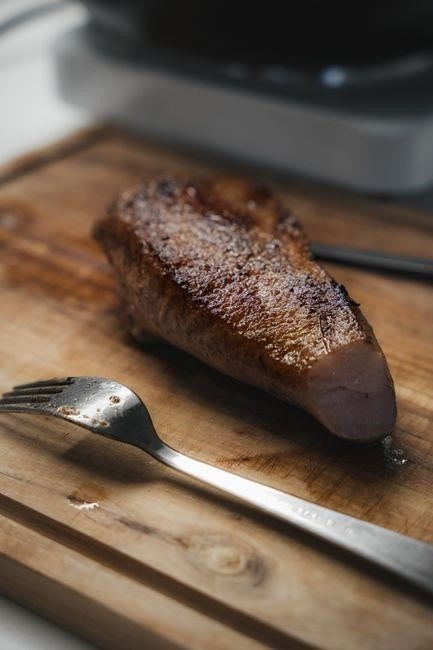
While sous‑vide excels at gentle, precise cooking, extended exposure at low temperatures can still degrade texture and flavor. The PDF chart lists optimal ranges for each category, but exceeding the recommended time—especially for delicate proteins—can cause over‑cooking. For instance, beef at 129 °F for 48 hours can become mushy, and poultry at 140 °F for 4 hours can lose juiciness. The chart’s safety margins (130–165 °F) are designed to balance tenderness with pathogen control; pushing beyond the upper time limits dilutes these benefits. To mitigate, use the “time‑temperature safety window” column, double‑check thickness, and consider a brief sear after removal to lock in moisture. If you notice a “white” or “gray” edge, trim before serving. Always adhere to the PDF’s time guidelines and avoid arbitrary extensions, as the cumulative heat can break down collagen and proteins, leading to a soggy, unappetizing result.
Remember the chart’s “time‑temperature safety window” column is a net; it shows the safe time for each temperature. Exceeding it can increase bacterial risk. Use a thermometer to confirm before serving!!.
Thawing Frozen Items Before Sous Vide
Before placing frozen cuts into the sous‑vide bath, the PDF chart recommends a brief thaw period to ensure even heat distribution. The guideline is to let the item reach a temperature no lower than 40 °F (4 °C) before immersion. This can be achieved by a 1‑hour room‑temperature soak for thin slices or a 4‑hour refrigerator thaw for thicker roasts. Skipping this step can cause the outer layers to over‑cook while the interior remains under‑cooked, leading to uneven texture and potential safety concerns. The chart’s “time‑temperature safety window” column reflects the safe range for fully thawed items; using frozen pieces without adjustment may push the process beyond the window. If you must cook directly from frozen, double the recommended time for the specific temperature to compensate for the initial cold mass. Always check the internal temperature with a probe before sealing to confirm the item is within the safe range. Following these thawing practices preserves the integrity of the PDF’s precise timing and ensures consistent, safe results.
These steps keep the PDF’s timing accurate, ensuring safe, tender results every time.
PDF Format Issues and Compatibility
When accessing the sous‑vide temperature chart PDF, users often encounter rendering glitches on older operating systems or low‑resolution displays. The document’s vector graphics may not scale cleanly in PDF readers that lack full PDF‑1.7 support, causing misaligned tables or missing symbols. To mitigate this, save the PDF as a flattened image or export it to a high‑resolution PNG for use on mobile devices. Compatibility with Android and iOS apps varies; some apps only support PDF‑1.4, which can truncate footnotes or hide interactive links. The chart’s embedded hyperlinks to external recipe sites may break if the PDF is opened in a viewer that disables JavaScript; Users should verify that the PDF is opened with a recent version of Adobe Acrobat Reader, Foxit, or Preview on macOS, which fully support the document’s embedded fonts and vector paths. If the chart appears distorted, try opening it in a browser‑based viewer like Chrome or Edge, which render PDFs natively. Convert the PDF to text with OCR, ensuring temperature values remain selectable quickly ! Finally, always check the file size; a 2‑MB chart is optimal for quick downloads, whereas larger files may time out on slower connections. By following these steps, you can avoid common format pitfalls and reliably reference the sous‑vide temperature chart whenever needed.