This PDF introduces essential IT band strengthening exercises designed to correct common causes of ITB syndrome‚ such as hip weakness and instability. It outlines a progressive routine‚ beginning with side‑lying knee lifts‚ gluteal and hip flexor stretches‚ and a single‑leg stance. for recovery now
What Is the IT Band and Why Strengthen It?
The iliotibial band (ITB) is a thick‚ fibrous sheath that originates at the iliac crest‚ runs along the lateral thigh‚ and inserts on the tibial tuberosity. It functions as a dynamic stabilizer of the knee‚ especially during single‑leg stance‚ walking‚ and running. When the ITB becomes tight or the surrounding hip abductors and external rotators weaken‚ friction against the femur can cause iliotibial band syndrome (ITBS)‚ a common source of lateral knee pain.
Strengthening the hip abductors‚ gluteus medius‚ and external rotators improves joint alignment‚ reduces abnormal shear forces on the ITB‚ and restores proper gait mechanics. The Dartmouth‑Hitchcock PDF presents a progressive exercise protocol that begins with side‑lying knee lifts‚ gluteal and hip flexor stretches‚ and a single‑leg stance. These movements target the key muscle groups that support the ITB‚ allowing the tissue to heal while preventing recurrence.
The guide stresses early intervention: initiating the first three exercises immediately after injury can shorten recovery time and diminish the need for more invasive treatments. It also advises monitoring for red flags—such as worsening pain‚ swelling‚ or loss of function—and consulting a physical therapist if symptoms persist. By following the stepwise progression—starting with the initial exercises and only adding subsequent ones once technique is solid—patients can safely rebuild strength‚ enhance performance‚ and maintain long‑term joint health.

Overview of the Dartmouth–Hitchcock PDF
The Dartmouth‑Hitchcock PDF offers a structured‚ progressive ITB strengthening program. It lists exercises in order‚ beginning with side‑lying knee lifts‚ gluteal and hip flexor stretches‚ and a single‑leg stance. Each step builds on the previous‚ ensuring safe progression. All exercises are.
PDF Details and Accessibility
Title: Iliotibial Band Syndrome Strengthening Exercises (IT Band)
Source: Dartmouth‑Hitchcock PDF
Published: Mon‚ 18 Jan 2021 13:57:49 GMT
Description: This PDF presents a progressive exercise regimen targeting common causes of ITB syndrome‚ such as hip weakness and instability. It begins with side‑lying knee lifts‚ gluteal and hip flexor stretches‚ and a single‑leg stance. Each subsequent exercise is added only after the previous one is completed without symptoms.
Accessibility: The document is available in PDF format and can be downloaded directly from the university website; It is free to view and includes clear‚ step‑by‑step instructions suitable for patients and clinicians alike.
The PDF is organized into three sections: initial exercises‚ intermediate stretches‚ and advanced stability drills. Each exercise includes a brief description‚ recommended repetitions‚ and a cautionary note.
Progression guidelines advise that a patient should master the first three exercises before adding the next. This ensures muscle adaptation and reduces the risk of re‑injury.
The PDF also highlights red flags such as sharp pain during movement‚ swelling‚ or a sudden loss of function‚ urging readers to seek professional assessment if symptoms persist.
The PDF recommends daily reviews‚ intensity adjustments‚ and exercises to strengthen hip stability and lower‑body mechanics ! .
Core Strengthening Exercises
Side‑lying knee lifts target hip abductors; gluteal stretch lengthens gluteus medius; hip flexor stretch (standing & Thomas) improves anterior hip flexibility. Perform 15 reps‚ 2 sets‚ 30‑second holds‚ progressing only when pain‑free. Stay safe and progress gradually
Side‑Lying Knee Lifts‚ Gluteal Stretch‚ and Hip Flexor Stretch (Standing & Thomas)
Side‑lying knee lifts engage the gluteus medius and tensor fasciae latae‚ stabilizing the pelvis during dynamic movements. Lie on your side with feet together‚ knees bent. Keeping feet together‚ lift the top knee to hip height‚ pause‚ then lower. Perform 15 repetitions‚ 2 sets‚ ensuring a controlled motion.
Gluteal stretch targets the lateral hip and gluteus maximus. Lie on your back‚ knees bent‚ feet flat. Place one ankle over the opposite knee‚ then gently pull the bent knee toward the ceiling. Hold the stretch for 30 seconds‚ repeat twice per side.
Hip flexor stretch improves anterior hip flexibility‚ reducing ITB tension. For the standing variation‚ step a bent knee onto a chair‚ keeping the standing leg straight. Engage the gluteus to forward‑shift the pelvis‚ feeling a stretch in the front of the hip. Hold 30 seconds‚ 2 reps per side.
The Thomas position deepens the hip flexor stretch. Sit beside a bed‚ hook one leg over the side‚ then lie back. Press the heel of the hooked leg toward the floor while pulling it back‚ creating a deep stretch in the hip flexor. Hold for 30 seconds‚ 2 reps per side. These exercises‚ performed consistently‚ help restore balance and alleviate ITB discomfort.
Consistency is key. Aim for 2–3 sessions weekly‚ gradually increasing hold times or repetitions as strength improves. Monitor for pain; if discomfort spikes‚ reduce intensity or pause. Pair these exercises with footwearand gradual return to high‑impact activities to maintain progress.!

Balance and Proprioception Exercises
Single‑leg stance improves hip stability‚ reducing ITB strain. Stand in a corner‚ lift one foot‚ maintain balance for 30 s‚ repeat 3 times per leg. Progress by closing eyes or using a cushion. Practice strengthens proprioception‚ aiding injury prevention!
Single Leg Stance
Single‑leg stance is a cornerstone of the Dartmouth–Hitchcock IT band strengthening program. It targets hip abductors‚ gluteus medius‚ and core stabilizers that support the lateral knee and pelvis. The exercise is performed by standing upright‚ placing the heel of the non‑dominant leg slightly forward‚ and lifting the other foot off the floor until the toes point toward the ceiling. The body should remain upright‚ shoulders relaxed‚ and gaze fixed on a distant point to maintain balance. Hold the position for 30 seconds‚ then switch legs. Repeat 3 sets per leg‚ 2–3 times per week.
Progression can be achieved by adding visual or surface challenges: close the eyes‚ stand on a cushion‚ or perform the stance while lightly shifting weight from side to side. Each modification should be introduced only after the base stance is mastered without pain or loss of form. The goal is to increase the duration of each hold to 60 seconds and to incorporate dynamic variations such as a single‑leg squat or lateral step‑out while maintaining balance.
Benefits include improved proprioception‚ reduced compensatory hip adduction‚ and decreased lateral knee loading. It is especially useful for athletes returning from ITB syndrome or individuals with chronic hip instability. If pain arises during the stance‚ reduce hold time or seek guidance from a physical therapist. Consistency and gradual progression are key to safely enhancing hip stability and preventing future ITB irritation.
When integrating single‑leg stance into a routine‚ schedule it after warm‑up and before dynamic drills. Pair it with a gentle hip abduction exercise to reinforce muscle engagement. Monitor for any posterior chain tightness; if present‚ incorporate a hamstring stretch before the stance. This holistic approach ensures balanced muscle activation and optimal joint mechanics.
Finally‚ document each session in a log‚ noting hold time‚ perceived difficulty‚ and any discomfort. This data informs progression decisions and helps clinicians tailor interventions to individual recovery trajectories.
Progression and Implementation Guidelines
Begin with the first three exercises. Once each is performed without pain‚ add the next. Follow the PDF’s order‚ ensuring proper technique before progressing. Gradual increases prevent re‑injury and promote lasting strength. Follow order strictly!!!
Starting with First Three Exercises and Adding Subsequent Ones
According to the Dartmouth–Hitchcock PDF‚ the recommended approach for individuals recovering from iliotibial band syndrome begins with the first three exercises: side‑lying knee lifts‚ gluteal stretch‚ and hip flexor stretch (both standing and Thomas positions). These initial movements are designed to re‑establish hip stability‚ improve muscular balance‚ and reduce excessive lateral knee tracking. The protocol emphasizes performing each exercise with controlled‚ pain‑free repetitions—typically 15 lifts for the side‑lying movement and 30‑second holds for the stretches—across two sets. Once a patient can complete these tasks without discomfort or compensatory movement‚ the next exercise in the sequence—the single‑leg stance—is introduced. This progression is intentional: it ensures that foundational strength and proprioception are solid before adding a balance component that further challenges the hip abductors. The PDF advises that each subsequent exercise should only be added after the previous one has been mastered‚ meaning the patient can maintain proper form‚ avoid pain‚ and demonstrate consistent performance over multiple sessions. This stepwise strategy minimizes the risk of re‑injury‚ promotes neuromuscular re‑education‚ and supports a sustainable return to activity. Clinicians and patients alike are encouraged to monitor symptoms closely‚ adjust load or frequency as needed‚ and seek professional guidance if any exercise triggers pain or instability. By adhering to this structured progression‚ individuals can systematically rebuild hip function and address the underlying biomechanical contributors to IT band syndrome.
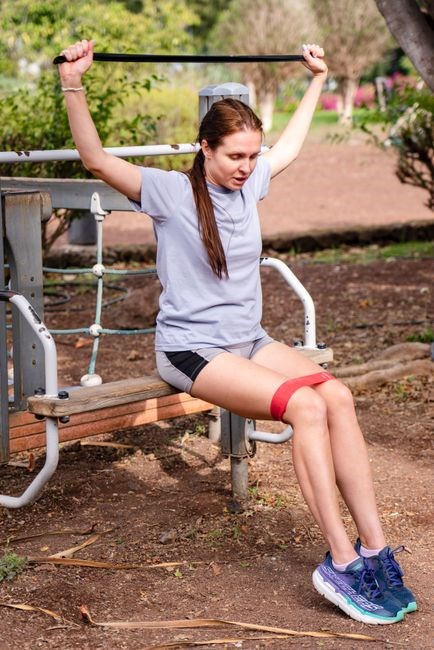
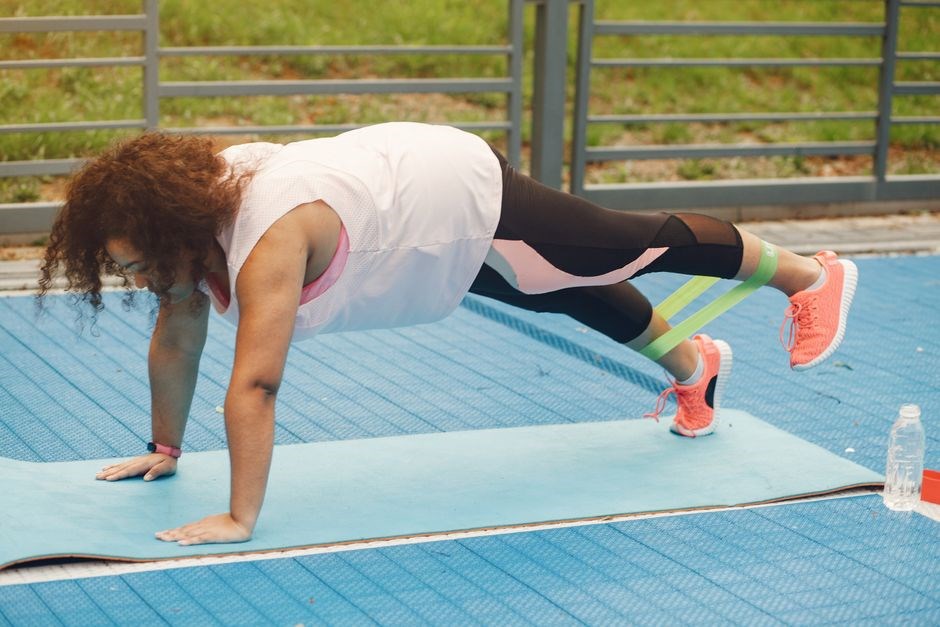
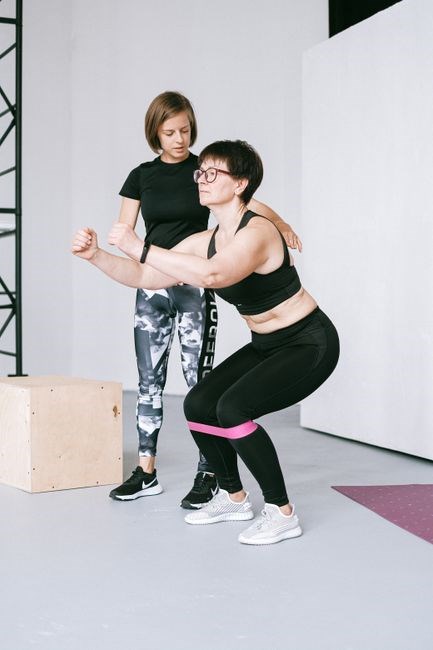
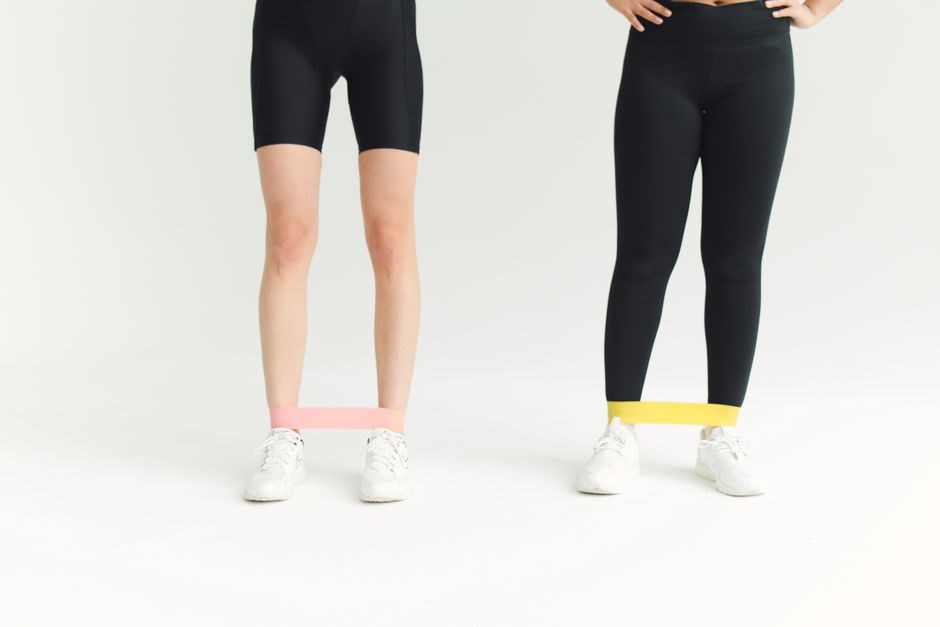
Patients should also incorporate bands during side‑lying lifts to increase load‚ ensuring the hip abductors remain engaged without over‑loading the IT band. Consistency over 4–6 weeks yields measurable improvements! .
Safety and Pain Management
Red flags include sharp‚ worsening pain‚ swelling‚ or instability. Pain during exercise signals a problem gently; stop immediately. Seek a physical therapist if symptoms persist or worsen. Technique and gradual progression reduce injury risk and promote safe recovery.
Red Flags‚ Pain as a Red Flag‚ and Professional Consultation
When performing IT band strengthening exercises‚ certain warning signs should prompt immediate attention. Sharp‚ worsening pain that does not improve with rest‚ swelling or bruising around the knee or hip‚ and a feeling of instability or loss of control during movement are classic red flags. These symptoms may indicate a more serious injury such as a meniscal tear‚ iliotibial band rupture‚ or underlying joint pathology.
Pain that occurs during an exercise‚ especially if it is sharp or radiates down the leg‚ is itself a red flag. It suggests that the movement is stressing the tissue beyond its capacity to heal. In such cases‚ stop the exercise immediately‚ apply ice‚ and elevate the limb; Continuing the movement can exacerbate damage and prolong recovery.
Professional consultation is essential when red flags appear. A qualified physical therapist can assess joint alignment‚ muscle strength‚ and proprioception‚ and design a tailored program that addresses the root cause of the syndrome. If symptoms persist after a week of conservative care‚ consider imaging studies such as MRI or ultrasound to rule out structural lesions. Early intervention reduces the risk of chronic pain and functional limitations.
- Sudden‚ sharp pain during a single repetition.
- Visible swelling or bruising around the lateral knee or hip.
- Unstable or wobbly feeling when standing or walking.
- Pain that worsens with activity and does not subside with rest.
- Loss of range of motion or inability to complete a full stretch.
In addition to these red flags‚ monitor for persistent ache that persists beyond 48 hours‚ or pain that radiates into the thigh or calf. If any of these symptoms arise‚ stop all exercises and seek prompt evaluation. A sports medicine physician or orthopedic specialist can provide further diagnostics and recommend advanced treatments such as corticosteroid injections‚ bracing‚ or surgical intervention if necessary. Maintaining open communication with your healthcare provider ensures that your rehabilitation plan remains safe‚ effective‚ and responsive to any changes in your condition.
Practical Application Tips
Start with the first three exercises‚ performing 2 sets of 15 side‑lying lifts‚ 2 sets of 30‑second gluteal and hip flexor stretches‚ and a single‑leg stance held for 30 seconds. Progress only when pain‑free and technique is correct. Repeat each set twice weekly!!
Sets‚ Repetitions‚ Hold Times‚ and Frequency
According to the Dartmouth–Hitchcock PDF‚ the recommended starting protocol for IT band strengthening involves two sets of 15 side‑lying knee lifts‚ performed with controlled elevation and a brief pause at the top. Each lift should be executed with the feet together‚ maintaining a neutral spine. For the gluteal stretch‚ hold the position for 30 seconds‚ repeat twice per side. The hip flexor stretch‚ whether standing or in the Thomas position‚ also requires a 30‑second hold‚ performed twice per side. The single‑leg stance exercise should be held for 30 seconds‚ with a focus on maintaining balance and core engagement. Frequency guidelines suggest performing this sequence two to three times per week‚ allowing at least 48 hours of rest between sessions to facilitate recovery and prevent overuse. Progression is achieved by adding the next exercise in the list only after the previous one can be completed without pain or compensatory movement. This structured approach promotes gradual strengthening while minimizing injury risk.
For consistency‚ record each session in a simple log‚ noting the number of sets‚ repetitions‚ and any discomfort experienced. Adjustments should be made based on progression: if the 15 lifts feel effortless‚ increase to 20‚ or add a resistance band for added load. When incorporating the single‑leg stance‚ gradually extend hold time to 45 seconds as balance improves. Consistent practice over several weeks will reinforce neuromuscular patterns and reduce recurrence risk. daily. Now!