When a vehicle’s auto start‑stop system demands a manual restart, drivers face a brief interruption that can feel puzzling. Understanding why the system pauses, how to safely react, and what steps to take can turn a moment of confusion into a quick, confident action. This guide helps you navigate smooth.
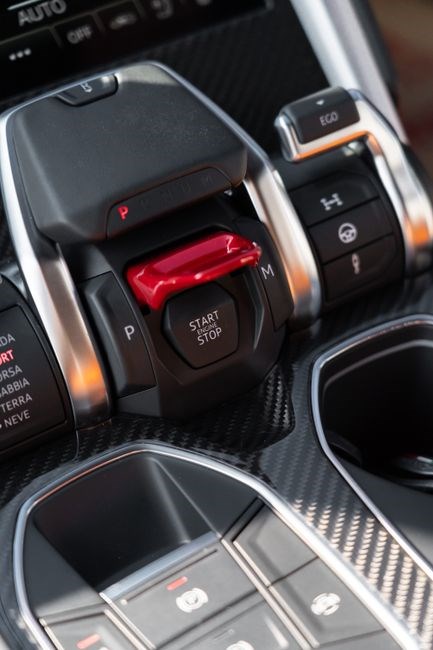
Overview of Auto Start‑Stop Systems
Auto start‑stop systems automatically shut off the engine when a vehicle is idling and restart it when the driver is ready to move again. The primary goal is to reduce fuel consumption and lower emissions by eliminating unnecessary idling. Modern systems rely on a network of sensors that monitor throttle position, brake pedal status, engine temperature, battery voltage, and vehicle speed. When the engine is idle, the system checks that the vehicle is stationary, the brake is applied, and the battery has sufficient charge. If all conditions are met, the engine is turned off, and a small electric motor or a starter‑generator keeps the alternator and accessories running. When the driver releases the brake or presses the accelerator, the system rapidly re‑engages the engine, usually within a fraction of a second, so the driver experiences no noticeable delay. The design of these systems varies across manufacturers, but most incorporate a dedicated start‑stop control module that communicates with the engine control unit, transmission, and battery management system. Some models offer a manual override button or a “stay‑on” mode for situations where the driver prefers continuous engine operation, such as in heavy traffic or when using cabin heating. The integration of start‑stop technology has become a standard feature in many new vehicles, reflecting stricter emissions regulations and consumer demand for fuel efficiency.
Benefits of Auto Start‑Stop
Auto start‑stop technology offers a range of advantages that extend beyond simple fuel savings. By shutting down the engine during idle periods, vehicles reduce consumption of gasoline or diesel, translating into measurable cost reductions for drivers who spend hours in traffic or at stoplights. The cumulative effect of these idle‑time savings can reach several hundred dollars over a vehicle’s lifetime, in environments where idling is frequent. In addition to monetary benefits, the system lowers harmful emissions, including carbon monoxide, hydrocarbons, and nitrogen oxides, thereby contributing to cleaner air and compliance with stringent regulations. Reduced engine wear is another key advantage; fewer start‑stop cycles mean less wear on spark plugs, ignition coils, and fuel injectors, which can extend the lifespan of these components. Some manufacturers report that well‑maintained start‑stop vehicles improve overall engine reliability. For many drivers, this seamless operation reduces the perceived “jerk” associated with traditional manual restarts. Finally, the presence of an auto start‑stop system can increase a vehicle’s resale value, as buyers recognize the long‑term savings environmental friendliness. Overall, the benefits of auto start‑stop systems encompass economic, ecological, mechanical, and experiential gains that make them a compelling choice for modern motorists. Drivers who adopt this feature not only save money but also help protect the planet. enjoy a quieter ride!
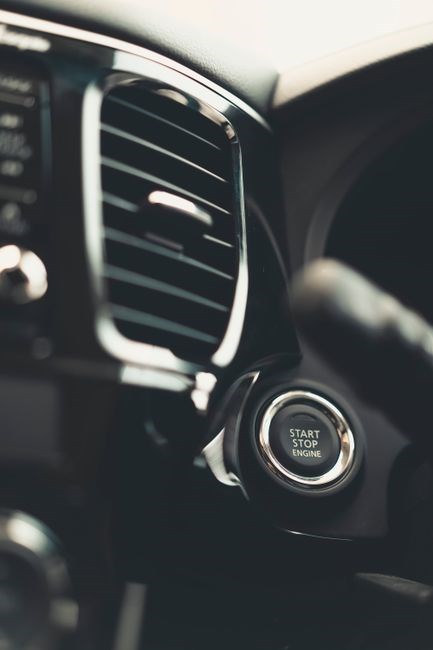
Common Issues Leading to Manual Restart
When the auto start‑stop system fails to resume automatically, drivers often need to perform a manual restart. Several common issues trigger this requirement. Battery health is paramount; a weak or aging battery may lack the voltage surge needed to crank the engine after a stop. Similarly, a failing alternator can prevent the system from re‑charging the battery quickly enough, leading to a dead‑stop scenario. The starter motor itself can be the culprit; wear, corrosion, or a defective solenoid can impede the initial cranking effort. Sensors that monitor engine temperature, coolant level, and throttle position also influence the start‑stop logic; a fault in any of these sensors can cause the system to lock out to protect the engine. The engine control unit (ECU) may detect abnormal conditions such as high engine temperature or low oil pressure and will disable the start‑stop feature until the issue is resolved. Software glitches or corrupted firmware can also trigger a manual restart requirement, especially after a recent update. Finally, driver‑related factors such as repeatedly pressing the brake pedal too hard or using the wrong gear can confuse the system, causing it to pause and await a manual reset. Identifying the root cause is essential to restoring seamless operation and preventing future interruptions. Regular checks of the battery, alternator, and starter motor, along with sensor diagnostics, can preempt of these issues, ensuring smooth operation.!!

Diagnostics for Auto‑Start‑Stop Failures
Start by checking battery voltage; a reading below 12.5 V indicates a weak supply. Scan the ECU for fault codes—P0300 or P0700 often signal sensor or transmission issues. Inspect the starter relay for continuity. If clear, use a scan tool to monitor real time data during a stop‑start cycle
Fault Codes to Watch
When an auto start‑stop system stalls and prompts a manual restart, the first step is to pull the diagnostic scan tool and read the trouble codes stored in the engine control unit. The most common codes that signal a start‑stop malfunction include P0300 (random or multiple misfires), P0700 (transmission control system malfunction), and P0701 (transmission range sensor malfunction). Codes such as P0702 (shift solenoid A circuit), P0703 (shift solenoid B circuit), and P0704 (shift solenoid C circuit) often indicate issues with the shift‑solenoid logic that the start‑stop system relies on to determine when it is safe to disengage the engine. In addition, P0705 (shift solenoid D circuit) and P0706 (shift solenoid E circuit) can trigger a start‑stop shutdown if the transmission cannot confirm a neutral or park position. Other relevant codes include P0707 (shift solenoid F circuit), P0708 (shift solenoid G circuit), and P0709 (shift solenoid H circuit). If the vehicle’s transmission control module reports a P0710 (shift solenoid I circuit) or P0711 (shift solenoid J circuit), the system will often disable start‑stop to prevent unintended engine restarts. By reviewing these codes, technicians can pinpoint whether the issue lies in the transmission, the engine control unit, or the start‑stop logic itself, guiding the next diagnostic steps. These codes show that the start‑stop system depends on accurate transmission data; any fault triggers a manual restart to safeguard the engine and prevent damage now.
Visual Inspection
Start‑stop systems rely on a network of sensors and relays that can be checked quickly with a visual inspection. Begin by opening the hood and locating the engine‑idle control module, battery, and the start‑stop relay. Look for obvious signs of damage: cracked or frayed wiring, corroded connectors, or a swollen battery case. Inspect the engine‑idle control module for a blackened or scorched surface, which indicates overheating. Check the battery terminals for loose or corroded connections; a clean, tight fit is essential for the high‑current demands of the start‑stop circuit. Move to the transmission range sensor, usually mounted near the shifter linkage. Verify that the sensor’s wiring harness is intact and that the sensor itself is not bent or broken. A cracked sensor housing can cause intermittent signals, leading the system to shut down the engine. Finally, examine the start‑stop relay, typically located in the fuse box or under the hood. Look for a burnt smell or discoloration around the relay pins; this suggests a short or overload. If any of these components show physical damage or corrosion, replace or clean them before attempting a restart. A thorough visual check can often reveal the root cause of a manual restart requirement without the need for complex diagnostics. By documenting findings, mechanics can cross‑reference manufacturer bulletins, ensuring software updates or recalls are considered before a new start‑stop cycle is attempted. A visual audit protects vehicle reliability and owner confidence!!!
Electrical Component Checks
Begin by ensuring the battery’s state of charge is within the manufacturer’s specified range; a low voltage can trigger a manual restart. Use a multimeter to measure the open‑circuit voltage—ideally 12.6 V or higher. Next, inspect the alternator output; a weak alternator may fail to recharge the battery during idle periods, prompting the start‑stop system to intervene. Verify the alternator’s voltage regulator by checking the output while the engine is running; it should stay between 13.5 V and 14.5 V. The starter motor’s current draw is also critical; a high resistance in the starter circuit can cause a voltage drop that the system interprets as a fault. Check the starter solenoid for proper operation by applying a 12 V test voltage and observing the solenoid’s click and the starter’s engagement. The engine‑idle control module (EICM) communicates via a CAN bus; ensure its connectors are clean and free of corrosion. A damaged or loose connector can lead to intermittent communication, forcing the system to halt. Finally, test the start‑stop relay’s coil resistance with a multimeter; the resistance should fall within the manufacturer’s tolerance range. If the relay is stuck in a closed state, it will prevent the engine from restarting, reducing the likelihood of repeated failures. After confirming all electrical parameters, a driver can safely perform the manual restart by following the vehicle’s specific procedure, which typically involves pressing the brake pedal, turning the ignition key to the ON position, and waiting for the engine to engage. Consistent monitoring of the battery’s health and periodic checks of the start‑stop relay will further mitigate future interruptions now!??
Advanced Diagnostic Tools
Modern vehicles embed a network of sensors and control units that communicate over the CAN bus. To isolate a start‑stop fault, technicians often employ a scan tool that can capture data from the Engine Control Module (ECM), Transmission Control Module (TCM), and the dedicated Start‑Stop Control Unit (SSCU). The tool should support live data logging, allowing the technician to observe voltage levels, current draw, and temperature readings during engine idle and restart attempts. A key feature is the ability to trigger a manual start‑stop cycle from diagnostic interface; this can confirm whether issue is related or hardware‑based. Additionally, a differential voltage probe can be attached to battery positive and alternator output to detect subtle voltage dips that a standard multimeter might miss. For deeper analysis, a logic analyzer can capture CAN bus traffic, revealing missed or corrupted messages that may prevent SSCU from commanding the starter. Some systems also provide a “fuel‑cut” mode, enabling the technician to simulate a low‑fuel scenario and observe how the start‑stop logic responds. Finally, a thermal imaging camera can spot overheating components—such as starter relay or battery—indicating a potential short or a failing regulator. By combining these tools, a technician can pinpoint the exact electrical or software fault that forces a manual restart, ensuring a rapid and reliable resolution. If the system still fails, consult vehicle’s service manual for reset procedures or contact a technician for diagnostics!
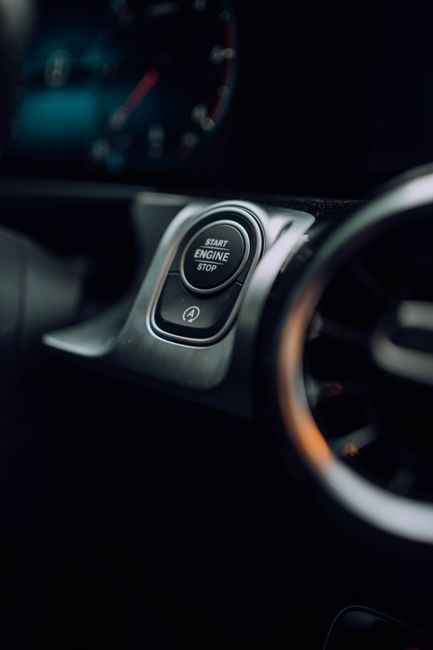
Step‑by‑Step Manual Restart Procedure
First, ensure the car is in Park and the brake is applied. Then press the engine‑off button until the system acknowledges the request. Wait a few seconds, release the brake, and press the start button again. The engine should crank and resume operation. Check battery now and check battery voltage. now
Safety Precautions
Before initiating a manual restart on an auto start‑stop equipped vehicle, observe these essential safety measures. Keep the engine compartment free from obstructions, ensuring proper airflow to avoid overheating. Confirm that the vehicle is parked on a level surface and the parking brake is fully engaged. Do not attempt a restart while the vehicle is in motion or on a slope, as sudden engine engagement can destabilize the car. Always wear closed‑toe footwear to protect feet from moving parts. Check that all passengers have exited the vehicle and that the interior is clear of loose items that could become projectiles. Verify that the ignition key or remote start system is in the off position; some models require the key to be removed entirely before a safe restart can occur. If the vehicle’s battery is low or the alternator is malfunctioning, a manual restart may fail or cause electrical damage; in such cases, consult a professional technician. When pressing the engine‑off button, do so gently to avoid stressing the starter motor. Observe the dashboard indicators for any warning lights that persist after the restart attempt; if any remain, do not drive until they are resolved. Finally, after a successful restart, allow the engine to idle for a few minutes before resuming normal driving to ensure the system stabilizes and all components are operating within safe temperature ranges. By following these precautions, you reduce the risk of injury, equipment damage, and ensure a smooth transition back to normal vehicle operation. End
Procedure in Different Vehicle Models
Auto start‑stop systems vary widely across manufacturers, so a one‑size‑fits‑all restart routine rarely works. Below is a concise, model‑centric guide that covers the most common approaches, from the familiar “push‑to‑restart” button on many European cars to the “key‑in‑door” method used by some North American models. Follow the steps that match your vehicle’s make and year, and always double‑check the owner’s manual for any unique quirks.

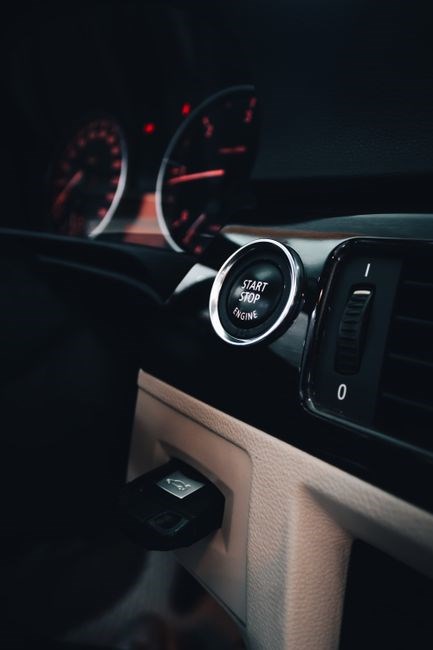
European‑style “Push‑to‑Restart” (e.g., Volkswagen, BMW, Mercedes). After the engine shuts off, locate the dedicated restart button on the dashboard or center console. Press it once; the system will re‑engage the starter motor. If the vehicle does not start, wait 10–15 seconds before trying again, as the system may be cooling down.
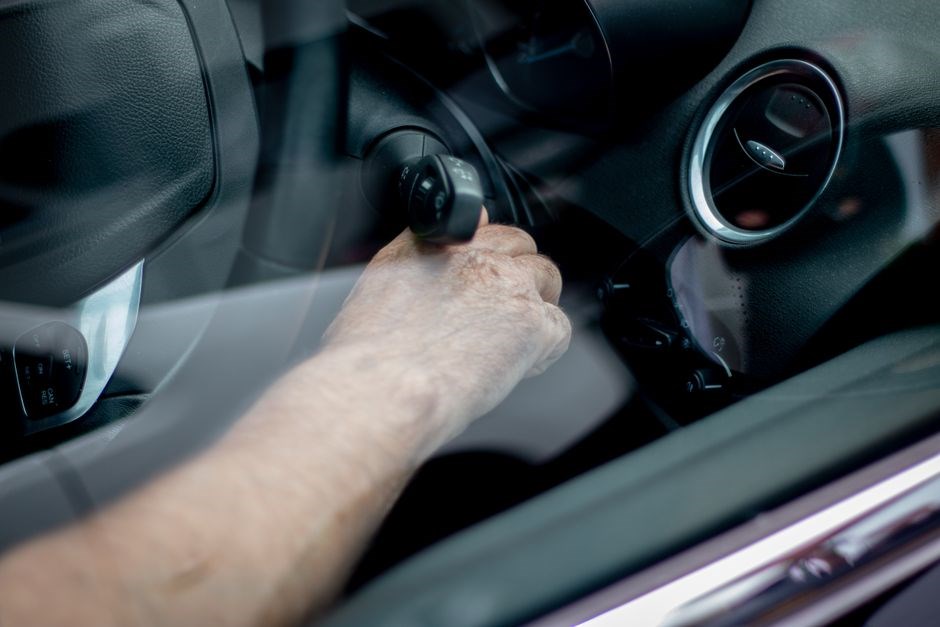
“Key‑in‑Door” Method (e.g., Ford, Chevrolet, Dodge). Some models require the ignition key to be inserted into the door lock or the key fob to be held near the door handle. Once the key is in place, press the engine‑off button, then release it and turn the key to the “on” position. The engine should start automatically.
“Remote Start” Activation (e.g., Toyota, Honda, Nissan). If your car supports remote start, press the remote start button on the key fob, then immediately press the engine‑off button inside the vehicle. The system will restart the engine and return to idle mode.
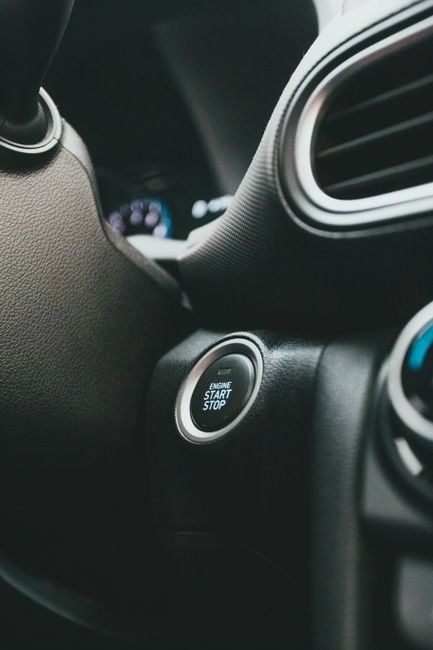
“Manual” Starter Switch (e.g., older models, some hybrids). For vehicles lacking a dedicated restart button, locate the physical starter switch or push‑button on the steering column. Turn the ignition to the “on” position, then press the starter switch once. The engine should crank and resume operation.
“Smartphone App” Restart (e.g., newer luxury models). Many high‑end vehicles now allow a restart via a connected app. Open the app, select “Engine Restart,” and confirm. The vehicle will automatically engage the starter motor and return to idle.
Always ensure the parking brake is engaged and the vehicle is on a flat surface before attempting any restart. If the engine fails to start after following the appropriate procedure, consult a dealer or qualified technician to diagnose deeper system issues.
The process may vary slightly depending on the trim level, software version, and any aftermarket modifications. Always refer to the specific vehicle’s service manual or contact the manufacturer’s support line for the most accurate instructions. By following the correct procedure for your model, you can safely and efficiently bring the engine back online without compromising the start‑stop system’s integrity. Remember that repeated manual restarts can indicate an underlying fault that should be addressed promptly to maintain optimal fuel efficiency and system reliability.
Preventive Maintenance Tips
Keeping the start‑stop system in top shape reduces the need for manual restarts. Regularly check the battery, alternator, and starter, as these components are most prone to wear. A weak battery can cause the system to shut down unexpectedly, while a failing alternator may not recharge the battery fast enough during idling periods.
- Battery: Inspect for corrosion, ensure terminals are tight, and test voltage at idle and under load.
- Alternator: Verify output voltage and check the belt for proper tension and wear.
- Starter: Listen for unusual noises and test cranking resistance.
- Brake system: Ensure the parking brake engages fully; a partially engaged brake can trigger the system to stop.
- Engine coolant: Maintain proper temperature; overheating can disable start‑stop to protect the engine.
- Software updates: Install manufacturer‑issued ECU patches that improve start‑stop logic.
- Sensor checks: Verify that all temperature, pressure, and position sensors are clean and functioning.
Perform a quick visual inspection every 3,000 miles, and schedule a full diagnostic scan annually. This proactive approach helps catch minor issues before they force a manual restart, preserving fuel economy and extending the life of the start‑stop system.
Remember to keep the battery terminals clean and free of corrosion; a simple cleaning with a wire brush and baking soda solution can improve conductivity and reduce restart incidents!!.
Future Trends in Start‑Stop Technology
Emerging developments promise to make manual restarts a relic of the past. Artificial intelligence will enable predictive shutdowns, learning a driver’s habits to pre‑emptively warm the engine or keep the cabin at optimal levels.!! Wireless firmware updates will allow manufacturers to fine‑tune start‑stop logic on the fly, correcting bugs that previously forced manual intervention. Hybrid powertrains will blend electric and combustion power more seamlessly, letting the electric motor handle low‑speed idling while the gasoline unit remains ready for quick launch. Sensors will become more sophisticated, using ultrasonic and lidar data to detect road conditions, ensuring the system only stops when truly safe. Finally, user interfaces will shift from simple icons to contextual dashboards that explain why the vehicle stopped and offer a one‑touch restart, eliminating confusion and restoring confidence. These innovations will change idle moments. Advancements in sensor fusion will allow the system to anticipate traffic light changes, enabling smoother transitions between idling and acceleration. Integration of vehicle‑to‑vehicle communication will enable coordinated start‑stop actions across fleets, reducing overall fuel consumption and emissions. Future iterations will adapt start‑stop thresholds based on driver habits and environment, ensuring optimal performance. All changes improve efficiency. With these advances, drivers will enjoy idle periods now as the system balances power, comfort and emissions.
While the manual restart requirement may seem like a minor inconvenience, it reflects the evolving complexity of modern power‑train management. Each time the system pauses, it is doing a careful assessment of battery status, engine temperature, and ambient conditions to decide whether a restart is truly necessary. Drivers who understand this process can better anticipate and respond to the system’s prompts, reducing frustration and maintaining the intended fuel‑saving benefits. The key to a smooth experience lies in staying informed about the specific triggers that can cause a manual restart, such as low battery voltage, high cabin temperature, or a temporary loss of sensor data. By regularly checking the vehicle’s diagnostic codes and keeping the battery and cooling system in good condition, owners can minimize the frequency of these interruptions. Moreover, manufacturers are increasingly integrating predictive algorithms that learn from driving patterns, allowing the start‑stop logic to adapt over time. This means that, in many models, the need for a manual restart will become rarer as the system becomes smarter. Until then, a calm, patient approach—paired with a quick, safe restart when prompted—ensures that the vehicle remains efficient without compromising safety or comfort. Ultimately, the manual restart is a small price to pay for the broader gains in emissions reduction, fuel economy, and driver convenience that start‑stop technology delivers. This brief pause reminds us that technology still requires human oversight.!!